Контекст
Кохання та романтика
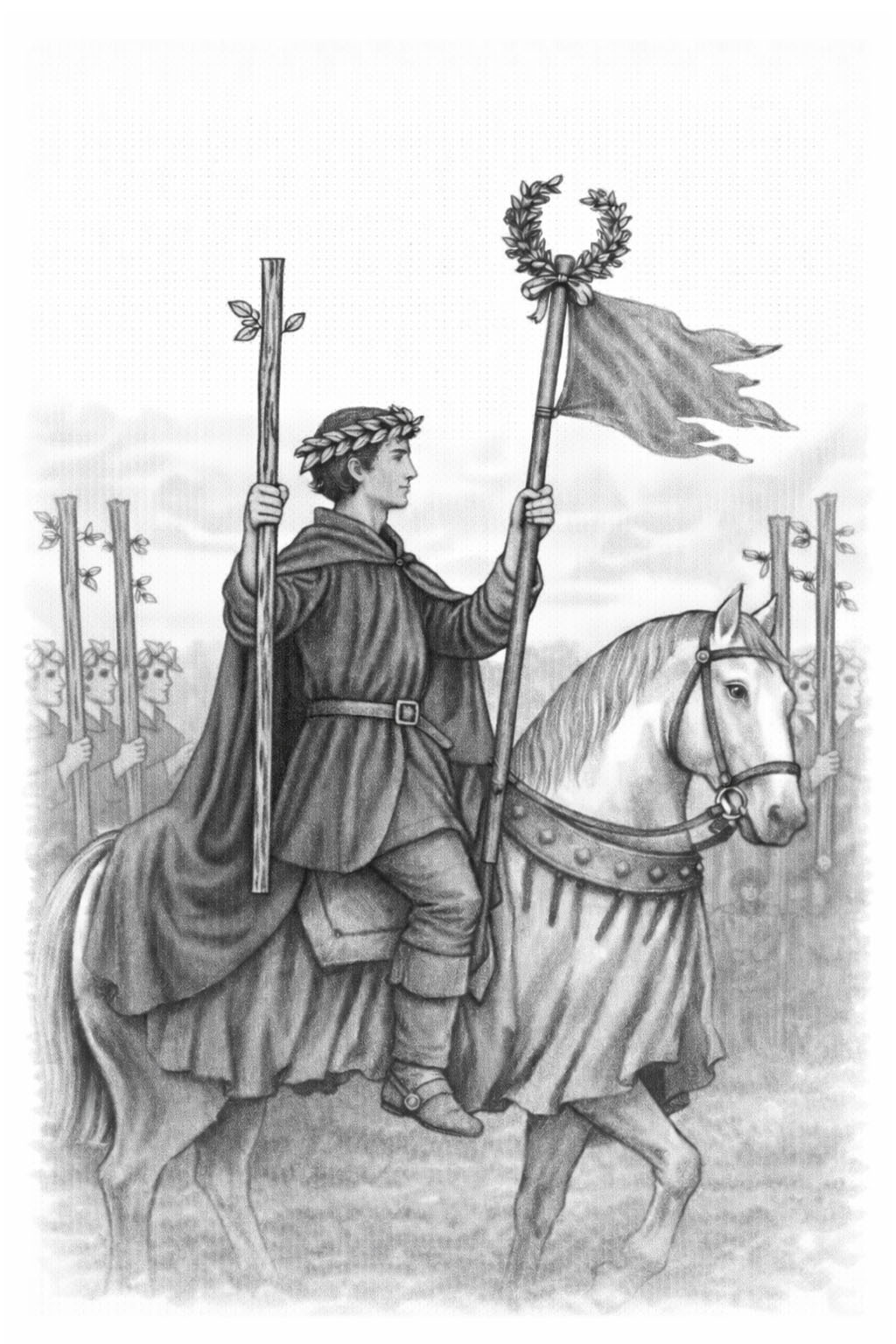
Шістка Жезлів у розкладі на любов варто розглядати як карта суспільного визнання і просування, а не як пророцтво. Вона часто вказує на період, коли зусилля одного або обох партнерів починають приносити видимі результати: стосунки можуть отримати підтримку з боку оточення, з’являється відчуття досягнення й задоволення від зробленого разом. У такому контексті важливіша не сама перемога, а те, як її сприймають і інтегрують у динаміку пари — чи ділиться похвала, чи зміцнюється взаємна повага, чи підсилюється почуття безпеки.
Аналітичний підхід до цієї карти також включає застереження: фокус на зовнішньому визнанні може призвести до залежності від думки інших, до змагання за роль «переможця» або до поверхневих очікувань від стосунків. Крім того, якщо успіх одного з партнерів значно змінює соціальний статус, це може створити напругу або нерівновагу, яку варто усвідомити й обговорити. У розмові з клієнтом корисно зосередитися на рефлексії: як відображається визнання на відносинах, наскільки важлива для них автентичність у переживанні успіху і чи підтримують вони одне одного не тільки публічно, але й у приваті.
Кар'єра та посада
Шістка Палиць у кар'єрному контексті вказує на ситуацію, коли професійні зусилля стали помітні зовнішнім спостерігачам: виникає визнання, підвищується видимість результатів праці, зростає репутація. Це карта успіху, що не стільки описує доленосну подію, скільки підтверджує наявність зовнішнього підтвердження ваших досягнень — схвалення колег, позитивний відгук керівництва, просування в межах проєкту або посади. У такому стані важливими стають не лише власні результати, а й те, як їх представлено публічно, як організовано комунікацію й як розподілено заслужене визнання між учасниками.
Аналітично це означає, що кар’єрні переваги часто базуються на поєднанні професіоналізму і здатності демонструвати цінність своєї роботи. Ефективність цієї енергії підсилюється структурованим підходом до фіксації результатів: чіткі звіти, метрики, приклади виконаних завдань і здобутих навичок. Водночас карта попереджає про ризики зайвої самовпевненості або надмірного покладання на зовнішню похвалу; успіх, який сприймається поверхнево, потребує підкріплення довготривалою роботою і прозорими процесами.
Практичні наслідки для професійної стратегії: використовувати момент видимості для закріплення позицій і розширення мережі контактів, але робити це скромно і відповідально, визнаючи внесок команди. Варто оцінити, чи досягнення мають системний характер і чи є план на випадок зростання відповідальності. Шістка Палиць радить спрямувати енергію на побудову стійкої репутації, де визнання служить платформою для подальшого професійного розвитку, а не є самоціллю.
Значення фінансів
Шістка Жезлів у фінансовому контексті символізує видимий успіх і визнання результатів вашої праці. Карта позначає ситуації, коли зусилля починають приносити плоди: покращення грошових потоків, успішне завершення проєкту, отримання винагороди або підвищення статусу на тлі фінансових досягнень. Важлива складова образу — публічність і зовнішня оцінка: прибутки або контракти можуть супроводжуватися увагою партнерів, клієнтів або керівництва.
Аналітично це вказує на період, коли репутація та демонстрація результатів працюють на економічний ефект. Успіхи можуть полегшити залучення інвестицій, кредитування або нових клієнтів, бо на ринку легше довіряти тим, хто вже отримав визнання. Водночас Шістка Жезлів нагадує про тимчасовість зовнішніх вражень: важливо відокремлювати реальні фінансові показники від іміджу, фокусуватися на підкріпленні результатів документально і системно.
З практичної точки зору, карта підкреслює необхідність закріплювати досягнуте: аналізувати рентабельність, закріплювати угоди юридично, враховувати податкові наслідки і планувати реінвестиції для підтримки зростання. Сигнал також про потенційні ризики надмірної впевненості або витрат на демонстрацію успіху, що може послабити довгострокову стійкість. Корисно оцінювати, які досягнення мають фундаментальний фінансовий сенс, а які — лише тимчасове підвищення видимості.
У сукупності Шістка Жезлів у фінансах служить інструментом аналізу: вона вказує на період, коли зовнішнє визнання та зростання доходів можуть відкрити нові можливості, але також потребують ретельного управління, документування і планування для забезпечення стійкого розвитку.
Значення сім'ї
Шістка Жезлів у контексті сім’ї аналізується як символ визнання, підвищення статусу та підйому морального духу в межах родинних відносин. Вона вказує на період, коли зусилля одного або кількох членів сім’ї помічені й оцінені, що підвищує загальну впевненість і приносить відчуття гордості. Це також карта лідерства й видимості: хтось у родині може взяти на себе керівну роль або опинитися в центрі уваги через досягнення, ініціативи чи успішне вирішення труднощів.
Аналітично важливо звернути увагу на соціальний аспект: визнання може підсилити згуртованість, але й породити ревнощі або тиск очікувань. Корисно підходити до ситуації рефлексивно — визнавати внесок усіх, уникати надмірної самовпевненості і розподіляти відповідальність, щоб успіх не став джерелом напруги. З точки зору побутових відносин карта радить використовувати моменти визнання для зміцнення підтримки й мотивації, при цьому зберігаючи чесну комунікацію, повагу до тих, хто менш помітний, і увагу до довгострокової рівноваги ролей.
Психологія та розум
Шістка Жезлів у контексті психологічного стану описує період підвищеної впевненості, відчуття досягнення і внутрішнього піднесення після подолання труднощів. Переважають емоції визнання, гордості за власні зусилля і відчуття, що напрямок вибраний правильно; це сприяє підвищеній мотивації, енергії для лідерства і готовності брати на себе відповідальність. Одночасно карта вказує на схильність орієнтуватися на зовнішню валідацію: самооцінка може стати залежною від похвали або публічного схвалення. У тіньовому вимірі з’являються риски самозадоволення, перебільшення власної важливості або нетерпимість до критики, що може спричиняти напругу в стосунках і створювати вразливість при наступних труднощах. Психологічно це також час, коли корисно усвідомити джерела мотивації, інтегрувати досягнення в цілісне відчуття себе і підтримувати баланс між гордістю та скромністю, щоб зміцнити стійкість і тривалішу самоповагу.
Значення душі
Шістка Жезлів у контексті душевного стану описує переживання, пов’язані з визнанням, підвищеною самооцінкою та відчуттям тимчасової перемоги. Це стан піднесення і внутрішнього підкріплення: людина відчуває, що її зусилля помічені, отримане визнання дає енергію і впевненість у власних силах. Може зростати відчуття легкості, оптимізм і готовність братися за нові завдання.
Водночас ця карта також вказує на нюанси, які стосуються залежності самопочуття від зовнішньої оцінки. Підйом настрою може бути крихким, якщо головний рушій — лише схвалення інших; це створює ризик тривоги щодо втрати статусу або потреби постійно доводити свою цінність. Супутні емоції можуть включати гордість, бажання бути поміченим, іноді трохи зарозумілості або напруження через очікування.
Аналітично та освітньо, Шістка Жезлів сигналізує про інтеграцію зовнішнього визнання у внутрішнє відчуття успіху: корисно розрізняти справжнє підвищення самооцінки від тимчасового підживлення зовнішньою похвалою, усвідомлювати відповідальність, що супроводжує лідерство та публічність, і працювати над тим, щоб емоційний підйом став стійкішою складовою особистої мотивації.