Контекст
Кохання та романтика
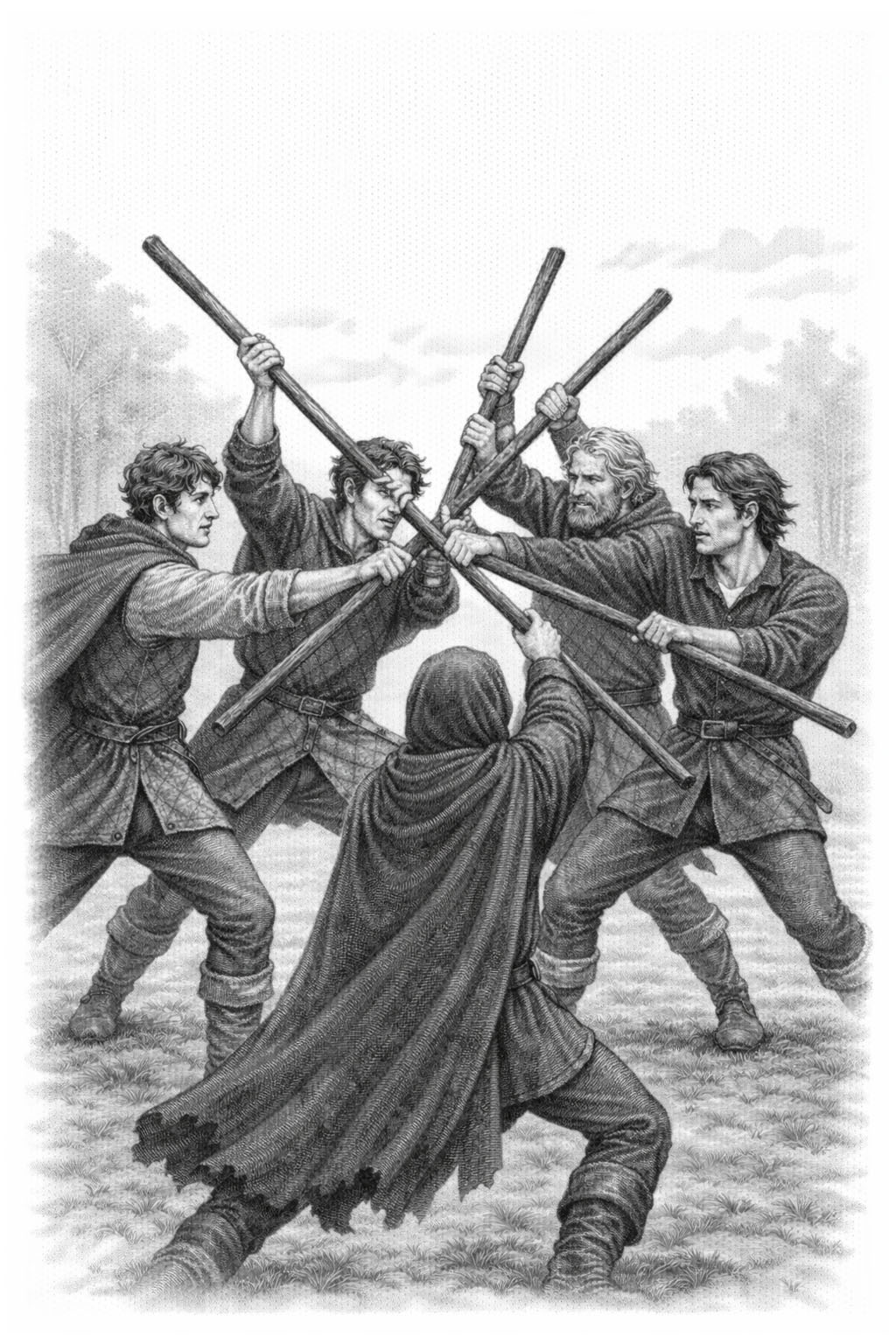
П'ятірка Жезлів у любовному контексті символізує напруження, суперництво та зіткнення інтересів. Карта вказує на ситуації, де замість гармонійної взаємодії домінують розбіжності у поглядах, непорозуміння або боротьба за увагу й визнання; іноді це може бути ігрова конкуренція, іноді — серйозніший конфлікт. Для людей, які не у відносинах, карта часто описує хаотичне знайомство, коли залучено кілька претендентів або коли сигнали неузгоджені, що ускладнює визначення реальних намірів. Для пар П'ятірка Жезлів підкреслює епізоди суперечок, дрібних сварок або змагання за контроль над ситуацією — інколи це реакція на зовнішній стрес, інколи — вираження внутрішніх невирішених потреб.
З освітньої точки зору, важливо розглядати таке напруження не лише як проблему, а як джерело інформації: конфлікт виявляє приховані очікування, цінності та кордони партнерів. Корисно аналізувати, які саме теми викликають напругу та чи повторюються шаблони поведінки; це дає можливість відокремити конструктивну дискусію від руйнівного змагання за право бути правим. У взаємодії варто звертати увагу на способи комунікації, вчитися слухати і формулювати свої потреби чітко, а також обирати, які бої дійсно варті енергії. Такий підхід допомагає перетворити конфлікт на двигун для уточнення ролей, кордонів і спільних цілей замість ескалації негативу.
Кар'єра та посада
П’ятий жезлів у професійному контексті описує ситуації, де енергія спрямована не стільки на спокійне просування вперед, скільки на взаємну конкуренцію, розбіжності підходів і конфлікт інтересів. Це карта, яка показує інтенсивну динаміку: кілька сторін одночасно відстоюють власні ідеї або території, проєкти стикаються за ресурси, або комунікація між співробітниками фрагментована й фруструюча. Конфлікт тут часто має прагматичний, а не особистісний характер — це зіткнення методів, пріоритетів чи очікувань.
Аналітично це сигнал звернути увагу на структуру процесів, ролі й правила взаємодії. Ефективна робота за таких умов вимагає прояснення завдань і відповідальностей, чіткої постановки критеріїв успіху та механізмів прийняття рішень, щоб зменшити повторні непорозуміння. Також важливо відокремлювати конструктивну конкуренцію, яка може стимулювати інновації, від руйнівної сварки, що підриває продуктивність.
Зроблені висновки і набуті навички під час таких перевірок сприяють професійному зростанню: удосконалюється уміння вести переговори, фасилітувати дискусії, розставляти пріоритети й діяти в умовах тиску. На рівні організації прояви п’ятого жезла часто вказують на потребу в удосконаленні комунікаційних каналів, регламентів та механізмів розподілу ресурсів для забезпечення більш ефективної співпраці.
Значення фінансів
П'ятірка Жезлів у фінансовому контексті позначає ситуації конкуренції, фрагментованих конфліктів і розбіжностей щодо ресурсів. Часто це відображає множинні дрібні суперечки — між партнерами, відділами або із зовнішніми контрагентами — які створюють плутанину й відволікають від довгострокових цілей. Енергія карти може бути хаотичною: багато зусиль витрачається на з’ясування відносин або перетягування «ковдри», а не на системне вирішення проблем.
З практичної точки зору карта підкреслює важливість прояснення ролей, умов і пріоритетів. В умовах конкуренції корисно відокремити тимчасові перешкоди від структурних ризиків, документувати домовленості і формалізувати процедури прийняття рішень, щоб уникнути марних витрат і повторних конфліктів. Також це сигнал звернути увагу на те, чи спрямовується енергія конструктивно: суперечки можуть стимулювати творчі рішення, якщо їх перетворити на змагальний, але чесний процес, або призвести до розсіювання ресурсів, якщо лишаються неупорядкованими.
У фінансовому плануванні П’ятірка Жезлів радить критично оцінити короткострокові ризики — наприклад конкуренцію за ринок, неузгоджені бюджетні позиції або одночасні дрібні витрати — і віддати перевагу пріоритетам з найбільшим очікуваним ефектом. Аналіз витрат і вигод, чіткі правила взаємодії та вміння трансформувати конфлікт у продуктивну конкуренцію допомагають мінімізувати втрати і використати напругу як джерело корисних змін.
Значення сім'ї
П'ятірка Жезлів у сімейному контексті описує напругу, конфронтацію та загальну активну енергію, яка проявляється у вигляді суперечок, змагання або хаотичних обмінів думками. Це карта, яка вказує на множинність позицій і бажань, коли члени родини відстоюють власні інтереси, тестують межі ролей або зіштовхуються через ресурси, обовʼязки чи виховні підходи. Часто це поверхневі, енергійні конфлікти — швидкі суперечки, ревність, суперництво між дітьми або розбіжності під час спільної роботи над домашніми справами — а не систематичне руйнування відносин.
Аналітично така карта підкреслює потребу розрізняти продуктивну дискусію від деструктивної ескалації. Конфлікт може виявляти слабкі місця в організації життя сімʼї або в незадоволених потребах, але він також дає шанс для переосмислення розподілу ролей, правил та очікувань. Корисно звертати увагу на те, чи є в суперечках структура (порядок денний, конкретні питання) або це хаотичне збурення через накопичений стрес.
В інтерпретації важливо розглядати способи роботи з енергією карти: впорядкування комунікації, чітке розмежування обовʼязків, уміння вислухати іншу сторону та знаходження спільних цілей. Якщо конфлікти повторюються або мають глибші причини, варто розглянути медіацію або професійну підтримку для розвʼязання системних проблем. П'ятірка Жезлів слугує нагадуванням про те, що напруга може бути джерелом руху й розвитку, якщо її спрямувати в конструктивне русло.
Психологія та розум
П'ятірка Жезлів у контексті психологічного стану описує підвищену ментальну і емоційну напругу, що має форму конкурентності, хаотичних імпульсів і множинних внутрішніх голосів, які конкурують за увагу. Цей образ позначає відчуття суперечливих бажань або цілей, коли думки й емоції стикаються між собою, створюючи фонову тривогу, роздратованість і складнощі з концентрацією. Порівняно з глибокою внутрішньою кризою, мова тут про поверхневі конфлікти — сплески енергії, суперечки або дрібні перешкоди, що вимагають адаптації та мобілізації ресурсів. Психологічно це часто супроводжується потребою довести свою правоту або захистити позицію, іноді як спосіб маскування невпевненості.
Такий стан може виступати каталізатором для розвитку навичок комунікації, самоконтролю і пріоритизації: конфліктна енергія може бути спрямована на конструктивну конкуренцію, навчання самостійно вирішувати проблеми або відточувати вміння співпрацювати. Водночас варто відрізняти продуктивну полеміку від повторюваних конфліктів, які лише відволікають і виснажують. Усвідомлення власних мотивів, аналіз джерел напруги і робота з концентрацією допомагають трансформувати розпорошену енергію в цілеспрямовану діяльність. П'ятірка Жезлів як психологічний стан підкреслює тимчасовість напруги й наголошує на важливості вибору боїв: чи служить реакція реальному росту, чи є лише способом відреагувати на зовнішній подразник.
Значення душі
П'ятірка Жезлів у контексті душевного стану описує енергію напруги, зіткнення і суперечок — як зовнішніх, так і внутрішніх. Це відчуття конкурентності, роздратування через непорозуміння, розпорошеність уваги й постійна готовність доводити свою точку зору. Може супроводжуватися легким хаосом у думках, нервовим збудженням і відчуттям, ніби все треба вирішити одночасно.
Психологічно карта вказує на те, що внутрішній конфлікт часто проявляється через потребу самоутвердження або страх втратити контроль; конкуренція може підсилювати невпевненість, а суперечки відволікати від важливих пріоритетів. Одночасно ця енергія не обов’язково руйнівна — вона стимулює активність, тестує межі й виявляє слабкі місця у структурах стосунків чи власних підходах.
У навчальному ключі це сигнал про можливість попрактикувати навички конструктивного спілкування, встановлення кордонів і вибору пріоритетів. Корисними можуть бути усвідомлення емоцій, фокусування на одній задачі за раз, перетворення збудження в продуктивну дію або творче вираження, а також робота над терпимістю до інакшості.