Контекст
Кохання та романтика
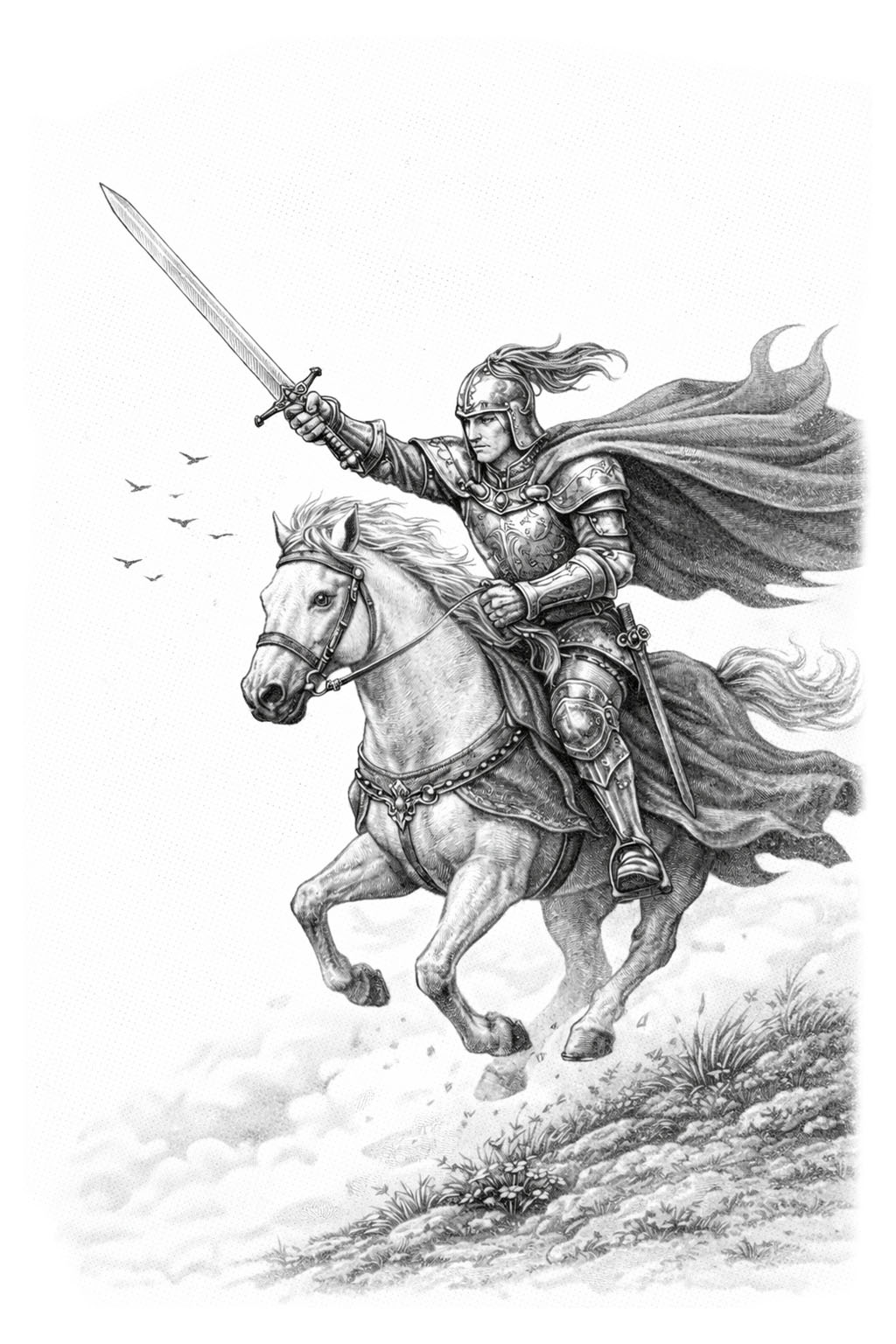
Рицар мечів у контексті любові описує інтелектуальну, швидку й рішучу енергію, яка проявляється в стосунках. Цей образ асоціюється з людиною, що діє напористо, прямо висловлює думки, прагне ясності і часто ініціює зміни або дискусії. Відчувається сильний фокус на розумовій сумісності, чесності й логіці, іноді більше, ніж на емоційній чуттєвості.
У взаєминах така енергія може бути корисною для вирішення проблем, прояснення намірів і просування впертих питань уперед. Водночас існує ризик імпульсивності, надмірної прямоти або нехтування почуттями партнера: швидкі висновки, сарказм або конфронтація можуть поранити, якщо не підкріплені емпатією. Рицар мечів часто вказує на період активного обговорення, змін у форматі відносин або на людину, яка готова наполягати на своїй позиції.
З навчальної перспективи варто звернути увагу на баланс між інтелектуальною правдою і емоційною чутливістю. Корисно робити паузи перед рішучими діями, перевіряти мотивації і питати про почуття партнера замість припущень. Розвиток навичок слухання, стриманості у висловлюваннях і готовності до компромісу допомагає перетворити якість цієї енергії на конструктивну силу у стосунках. Для тих, хто обирає партнера з такими рисами, корисно з'ясовувати, чи є здатність до емоційної відкритості і чи прийнятні темпи змін.
Кар'єра та посада
Рицар мечів у кар’єрному контексті символізує інтелектуальну енергію, швидкість мислення і прагнення до рішучих дій. Така карта описує професійну поведінку, що орієнтована на аналіз, аргументацію й оперативне вирішення проблем; характерні риси — цілеспрямованість, готовність братися за складні завдання та не боятися конфлікту, якщо він потрібен для досягнення результату. Разом з тим цей архетип несе ризики імпульсивності, нетерпимості до затримок і недостатнього врахування людського фактора: рішення, прийняті занадто поспішно, можуть породжувати непорозуміння або спричинити опір колег.
Зіставлення сильних і слабких боків допомагає зробити використання енергії Рицаря мечів більш конструктивним: його швидкість мислення і ініціатива корисні в проектах, що потребують оперативного реагування, аналітичної чіткості та відстоювання позиції, але ефективність підвищується, якщо поєднувати це з плануванням, перевіркою фактів і увагою до комунікації в команді. У робочому середовищі така карта радить оцінювати наслідки рішень, пом’якшувати тон при необхідності, делегувати рутинні задачі і знайти баланс між рішучістю та дипломатією, аби досягати цілей без зайвих конфліктів і втрат.
Значення фінансів
Рицар Мечів у фінансовому контексті символізує швидку динаміку, інтелектуальну активність і схильність діяти рішуче. У таких позиціях карта часто вказує на ситуації, які вимагають оперативного аналізу інформації, ясної комунікації та відваги приймати рішення. Це може стосуватися ініціатив, пов’язаних із інвестиціями, торгівлею, кредитними операціями або реорганізацією — коли темп значущий і можливості виникають або зникають досить стрімко.
Разом з тим Рицар Мечів попереджає про ризики поспіху та недостатньо пророблених деталей. При такій енергії легко ігнорувати правову чи бухгалтерську сторону питання, недооцінювати фінансові зобов’язання або вступати в суперечки через надмірну прямолінійність у переговорах. Карта вказує на потенціал конфліктів, імпульсивних рішень і перегріву емоцій, які підмінюють обґрунтований розрахунок.
Аналітично важливо оцінювати ситуацію в кількох напрямках: перевіряти джерела інформації, моделювати сценарії з урахуванням коротко- і середньострокових ризиків, документувати домовленості і залучати фахівців для юридичної та фінансової перевірки. Рицар Мечів корисний як індикатор часу для швидких дій, проте ефективність цих дій залежить від контролю імпульсу, структурування інформації і наявності запасних планів.
Значення сім'ї
Рицар Мечів у сімейному контексті позначає інтелектуальну, цілеспрямовану й швидку енергію, яка впливає на комунікацію та прийняття рішень. Ця карта описує людей або динаміку, де домінує бажання говорити прямо, відстоювати принципи та пришвидшувати процеси. У родині це може проявлятися як активний захисник ідей, критичний мислитель або як схильність до імпульсивних висловлювань і швидких висновків. Така енергія корисна для прояснення невизначених питань, для ініціювання реформ чи вирішення практичних проблем, але водночас створює ризик емоційних напруг через різкість тону, недофіналізовані аргументи або нехтування почуттями інших.
Аналітично важливо розрізняти поведінкові аспекти: прагнення до ясності й справедливості може сприяти конструктивним дискусіям, тоді як нетерплячість і домінування мовлення можуть перешкоджати порозумінню. У роботі з цією енергією в сімейних стосунках варто культивувати навички слухання й відкладати імпульсивні репліки до моменту, коли думки сформульовані спокійніше; також має значення ясне формулювання кордонів і відповідальностей, щоб запобігти ескалації конфліктів. Якщо Рицар Мечів описує конкретного члена сім’ї, корисно подивитися на його мотивацію та контекст: чи прагне ця людина захистити інших або просунути важливі зміни, чи її поведінка є реакцією на стрес і відчуття безсилля.
Освітній підхід до карти радить розглядати її як інструмент для розуміння стилю комунікації й механізмів вирішення проблем у домі: аналізувати, де потрібна швидкість і рішучість, а де — повільніше, емпатійніше слово, і навчатися балансувати між правотою аргументу й чуттєвим сприйняттям близьких.
Психологія та розум
Рицар Мечів у контексті психологічного стану вказує на домінування мисленнєвої активності, швидкість реакцій і прагнення до оперативного вирішення проблем. Такий стан характеризується ясною логікою, наполегливістю в аргументації і готовністю діяти на основі ідей, іноді навіть ціною емоційного нюансу. Людина може відчувати внутрішню напругу, прискорене мислення, нетерпимість до зволікань і схильність до конфронтації або різких висновків. Позитивно це проявляється у здатності швидко орієнтуватися в інформації, формулювати план дій і відстоювати позицію; водночас є ризик поверхневого аналізу, категоричності та ігнорування контексту або почуттів інших. З точки зору саморегуляції корисно звертати увагу на джерело напору: чи це конструктивна цілеспрямованість, чи спроба уникнути невизначеності через інтелектуальну домінацію. Усвідомлення схильності до імпульсивних рішень і практики уповільнення мислення — постановка питань, перевірка припущень, врахування альтернативних точок зору — допомагають зробити інтелектуальний імпульс більш ефективним і збалансованим. У психологічному аналізі Рицаря Мечів корисно розглядати не лише зміст думок, а й їхню динаміку: темпи, емоційний тон і взаємодію з потребою в безпеці та зв’язку з іншими.
Значення душі
Лицар мечів як опис душевного стану репрезентує енергійну, інтелектуально спрямовану свідомість, що швидко оцінює ситуацію і прагне до ясності. Думки гострі, логіка на першому місці, з’являється відчуття терміновості й готовності відстоювати ідеї. Такий стан сприяє швидкому прийняттю рішень, аналітичності та сміливості у висловлюваннях.
Водночас у цьому образі можуть проявлятися імпульсивність, нетерпимість до невизначеності і схильність до конфронтації. Емоції відсуваються на задній план, що полегшує об’єктивний аналіз, але може призвести до різкості в мовленні або до недооцінки людського фактора. Іноді це супроводжується догматизмом і готовністю ігнорувати деталі, які не вписуються в інтелектуальну картину.
В освітньому ключі корисно розглядати цей стан як ресурс для обробки інформації та прийняття рішень, водночас усвідомлюючи його обмеження. Практики заземлення, ретельна перевірка фактів, уповільнення темпу мислення і свідоме залучення емоційного чи етичного аспекту допомагають використати ясність і рішучість лицаря без шкоди для стосунків і довгострокових наслідків.