Контекст
Кохання та романтика
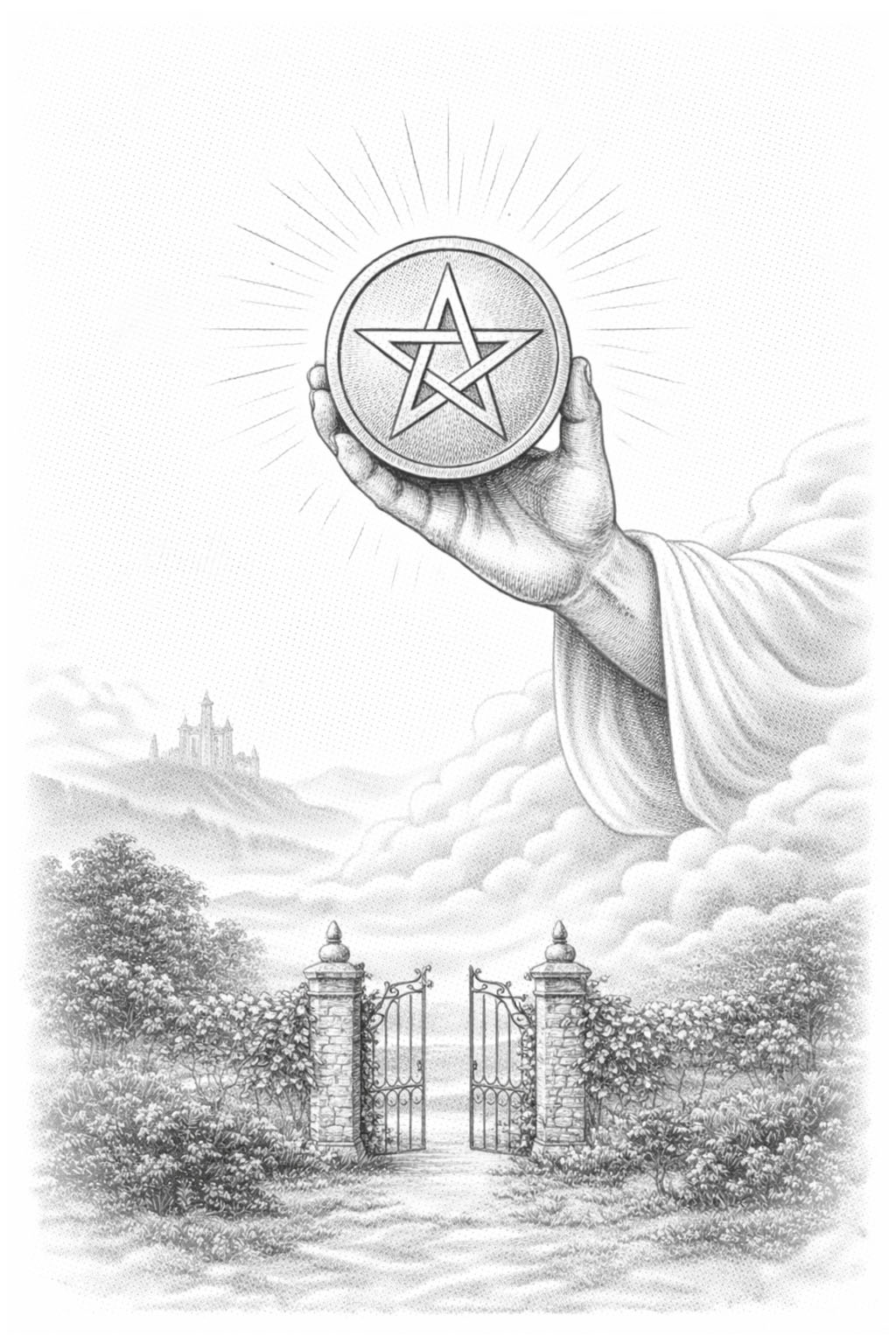
Туз Пентаклів у контексті любові підкреслює початок, що має міцну практичну основу: увага до безпеки, конкретних потреб і матеріальних умов, які підтримують відносини. Це карта про тіла і побут — про те, як партнерські стосунки формуються через спільні дії, догляд і реальні внески: створення комфорту, прийняття рішень щодо житла, фінансів або щоденних обов'язків. Як символ початку, Туз Пентаклів вказує на можливість закласти стабільну основу, де почуття підкріплюються вчинками та відповідальністю.
Аналітично це нагадування звернути увагу на те, наскільки прагнення до тривалості відображається в конкретних кроках: чи вкладають обидва партнери ресурси часу, енергії й уваги в розвиток зв’язку; чи узгоджені їхні пріоритети щодо безпеки та планування спільного життя. Карта також підкреслює важливість реалістичної оцінки — інвестиції в стосунки мають бути взаємними й стійкими, а не лише демонстрацією зовнішнього благополуччя.
У перевернутому положенні карта може свідчити про перешкоди в матеріальній або практичній площині: затримки, нерозв’язані питання побуту, надмірну орієнтацію на вигоди замість емоційної близькості. У такому вигляді Туз радить ретельно перевіряти мотиви й не плутати безпеку з купівлею комфорту; корисно сфокусуватися на реальному будуванні довіри та взаємній підтримці, а не на символічних ознаках успіху.
Кар'єра та посада
Туз Пентаклів у кар’єрному контексті виступає як знак початку матеріально-орієнтованої можливості або проекту з реальним, відчутним потенціалом. Це акцент на ресурсах — фінансових, інструментальних або у вигляді конкретних умов праці — і на необхідності формувати міцні, практичні підвалини для майбутніх результатів. Карта підкреслює важливість оцінки життєздатності пропозиції: терміни, бюджет, вимоги до навичок, правові або договорні аспекти, а також можливість інвестицій часу й зусиль для довготривалого зростання. Аналітичний підхід, планування конкретних кроків і вимірюваних показників служать більшому успіху, ніж імпульсивні рішення. Туз Пентаклів також вказує на сприятливий момент для розширення професійних компетенцій або для використання наявних ресурсів більш ефективно; одночасно слід звертати увагу на дрібні деталі та прозорість умов. У навчальному ключі карта демонструє, що кар’єрні можливості краще розглядати через призму практичної здійсненності й потенційної довготривалої цінності, а не лише короткочасної привабливості.
Значення фінансів
У фінансовому контексті Туз Пентаклів символізує початковий матеріальний потенціал: можливість появи ресурсів, вкладення, доходу або інфраструктурних умов, що можуть закласти міцну основу для подальшого росту. Карта акцентує увагу на конкретних, відчутних аспектах фінансів — капіталі, активах, документах, реальних прибутках і витратах — і нагадує про важливість практичного підходу і планування.
Якщо трактувати карту аналітично, Туз Пентаклів підкреслює перспективу інвестицій або початкового фінансування, яке має добрі шанси перетворитися на стійкий дохід за умови продуманих кроків. Вона заохочує оцінити довгострокові вигоди, прорахувати ризики, звернути увагу на юридичну й бухгалтерську сторону угод та забезпечити документальну прозорість.
Перевернений або блокований варіант вказує не стільки на невдачу, скільки на те, що потенціал матеріалізації може бути ускладнений поганим плануванням, відсутністю резервів, поспішними витратами або недоліками в підготовці документів. У такому разі корисно проаналізувати бюджет, перевірити умови контрактів і спрямувати зусилля на створення реалістичної бази для зростання.
У навчальному ключі Туз Пентаклів служить нагадуванням про поєднання можливості і дисципліни: нові фінансові шанси слід оцінювати критично, структурувати з урахуванням часових горизонтів і контролювати виконання через показники й резерви, аби потенціал став стійкою матеріальною основою.
Значення сім'ї
Туз Пентаклів у контексті сім’ї виступає як символ початку матеріально-практичного циклу: увага зосереджується на ресурсах, комфорті й підґрунті для довготривалої стабільності. У родинних ситуаціях карта підкреслює можливість встановлення або зміцнення фінансової безпеки, приведення в порядок побутових справ, початок ремонтів, оформлення документів або ухвалення практичних рішень, що впливають на повсякденне життя. Вона акцентує на конкретних, відчутних аспектах догляду й підтримки — забезпеченні дому, харчуванні, ліках, доступі до послуг, розподілі обов’язків.
Туз Пентаклів також вказує на потенціал: у сімейному полі є “насінина”, яку можна розвинути в стабільний проєкт, інвестицію або звичку, що підвищить якість життя. Інтерпретація має ґрунтуватися на реальних діях і зобов’язаннях: аналізі бюджету, плануванні, чітких домовленостях і прозорості в питаннях спільного майна. У сфері здоров’я карта радить звернути увагу на фізичні потреби, регулярний догляд і профілактику, бо саме практичні кроки формують відчуття безпеки.
Коли потрібно оцінювати ситуацію, корисно звертати увагу на деталізовані елементи: джерела доходу, юридичні документи, поточний стан житла, розподіл ролей у сім’ї. Туз Пентаклів носить нейтрально-позитивний потенціал, але його реалізація залежить від послідовності дій — і від готовності родини працювати з матеріальними аспектами життя відповідально і прозоро.
Психологія та розум
Туз Пентаклів вказує на психологічний стан, в якому домінує прагнення до конкретності, стабільності та відчуття нових можливостей у матеріальній або тілесній сферах життя. Це може проявлятися як підвищена уважність до практичних аспектів повсякдення, прагнення планувати, закладати фундамент для майбутніх проєктів і відчуття, що з’явилися реальні ресурси або шанси. Мислення стає більш раціональним і покроковим, емоції — поміркованими, спокійними, з акцентом на безпеку й комфорт.
На тілесному рівні такий стан часто супроводжується відчуттям ґрунту під ногами, посиленою енергією для фізичної роботи, увагою до здоров’я, режиму сну і харчування. Підвищується прагнення піклуватися про матеріальні аспекти життя, інвестувати час у навички чи ресурси, які дають відчутну віддачу.
У можливих складнощах Туз Пентаклів може проявлятися як надмірна фіксація на безпеці, прагнення до матеріального контролю або страх ризикувати, що гальмує творче початок. Іноді з’являється тенденція ототожнювати власну цінність із зовнішніми благами або результатами праці. Корисно розпізнавати ці тенденції, аби не перетворити прагнення до стабільності на обмеження.
З практичної точки зору, при такому психологічному настрої важливо переводити ідеї в конкретні кроки: встановлювати реалістичні цілі, розбивати завдання на послідовні етапи, приділяти увагу тілесним практикам і простим ритуалам догляду за собою. Усвідомлене ставлення до ресурсів і цінностей дозволяє використати енергію Туза Пентаклів як міцну основу для стійких змін, не втрачаючи здатності бути гнучким і відкритим до нових варіантів розвитку.
Значення душі
Туз Пентаклів у значенні душевного стану позначає акцент на матеріальній та тілесній складовій переживань: увага зосереджена на відчутті безпеки, стабільності та можливості закласти основу для подальшого розвитку. Це стан, у якому присутня практична ясність думок, підвищена усвідомленість щодо ресурсів — як внутрішніх, так і зовнішніх — та бажання переводити ідеї в конкретні, відчутні форми. Емоційно це часто проявляється як спокійна віддача теперішньому моменту, відчуття підживлення і підтримки тілом або оточенням, а також прагнення облаштуватися, створити комфорт та порядок.
У такому стані людина може відчувати помітну приземленість: думки стають більш реалістичними, пріоритети — приземленими, а мотивація спрямована на практичні кроки і планування. Поряд із цим виникає відчуття обережного оптимізму — готовності вкладати зусилля у щось тривале, але без ілюзій і надмірних ризиків. Тіло й емоції взаємодіють гармонійніше: фізичні відчуття легше інтерпретуються як сигнали потреби в догляді та відновленні.
Тіньові аспекти цього стану полягатимуть у ризику звести все до матеріального — надмірна фіксація на безпеці, комфорту або контролі може приглушувати емоційну глибину і здатність до ризику чи творчості. Також можливе використання прагматизму як захисту від вразливості або емоційного ризику.
З педагогічної точки зору корисно помітити тілесні відчуття, які супроводжують спокій і стабільність, перевірити, чи відповідають матеріальні плани внутрішнім цінностям, і дозволити собі терпляче формувати основу замість очікування миттєвих результатів. Це хороший період для налагодження рутин, оцінки ресурсів і поступового втілення ідей у конкретні реалізації, з увагою до балансу між практичністю і емоційною повнотою.