Контекст
Кохання та романтика
Карта Світ у контексті кохання описується як архетип завершеності й цілісності, що виникає після процесу зростання та інтеграції. Вона вказує на відносини, які досягли рівноваги між індивідуальністю і спільністю: партнери можуть відчувати взаємне розуміння, повагу і спільне відчуття мети, яке дозволяє рухатися далі разом або з глибоко усвідомленим завершенням. У читанні для одинака карта може підкреслювати внутрішню готовність вступати у зрілі зв’язки або вміння цінувати власну цілісність перед пошуком партнера; для тих, хто вже в парі, Світ часто відображає етап, коли відносини отримують соціальне визнання, досягають стабільності або переходять у нову, більш органічну форму.
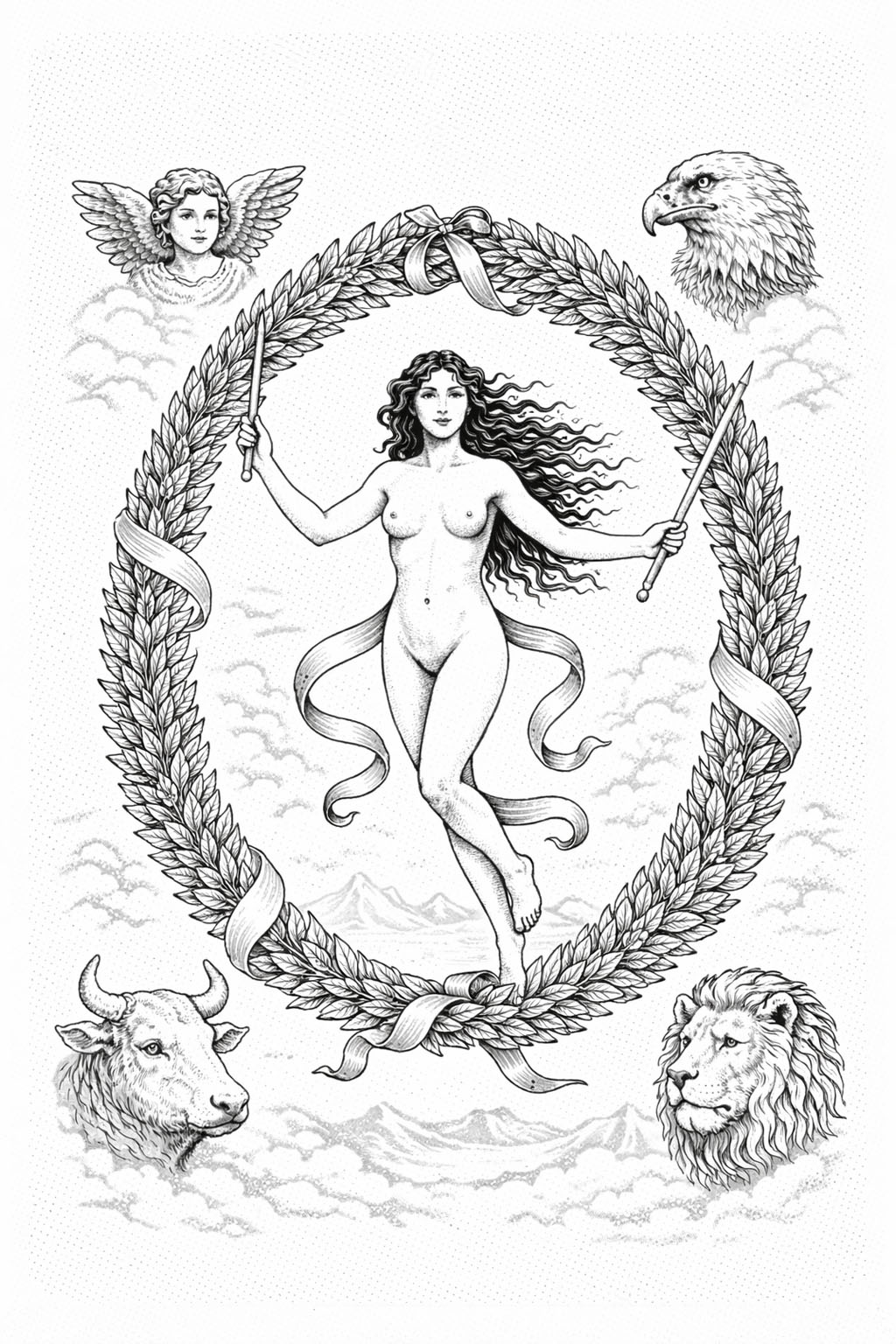
Символіка кола, вінка і чотирьох фігур підкреслює інтеграцію різних аспектів – емоційного, інтелектуального, тілесного та соціального. Це не гарантія ідеальності, а показник того, що пройдений шлях дав уроки, які можна використати для побудови гармонійнішого союзу. Тіньовий бік карти в любовних інтерпретаціях полягає в можливій рутині або самозадоволенні: завершення фази іноді сприймають як кінець роботи над відносинами, тоді як підтримка цілісності потребує постійної уваги й взаємного розвитку.
Для точнішого тлумачення важливо брати до уваги інші карти розкладу й питання, яке ставить шукач; Світ радше описує якість стосунків і етап розвитку, ніж дає однозначні прогнози.
Кар'єра та посада
У кар’єрному контексті карта Світ передає ідею завершення великого циклу, інтеграції набутого досвіду і досягнення відчуття професійної цілісності. Вона свідчить про етап, коли роботи, проекти або напрацювання доходять до зрілого стану, отримують зовнішнє визнання або природно переходять у нову фазу. Така ситуація часто супроводжується ясністю щодо власних компетенцій і розумінням того, як попередній досвід працює в ширшому професійному контексті.
У практичному сенсі Світ може позначати успішне закінчення довготривалого проєкту, просування, розширення кола відповідальності, вихід на міжнародний рівень або синергію командних зусиль. Інтерпретація залежить від деталей питання й оточення карт: сусідні аркани вказують, чи цей перехід буде плавним, чи вимагатиме додаткової уваги до організації або комунікації. Карта заохочує поглянути на результат як на базу для подальшого розвитку, а не як на остаточну мету.
З точки зору практичних кроків це підкреслює потребу систематизувати досягнення, зафіксувати результати, оформити договори або звіти, а також подбати про професійні зв’язки й репутацію. Водночас важливо уникати самоуспокоєння: завершення одного етапу створює умови для вибору нових цілей і побудови наступного професійного циклу. Карта нагадує про корисність рефлексії — осмислення здобутків і уроків для свідомого переходу до наступного рівня.
Значення фінансів
Карта Світу у фінансовому контексті зазвичай вказує на завершення важливого циклу і набуття відчутної цілісності в матеріальних справах. Вона може означати, що попередні зусилля дали плодотворний результат: угоди закриті, інвестиції оформилися, або фінансова перспектива стала більш зрозумілою і стабільною. У більш широкому сенсі карта підкреслює інтеграцію знань і досвіду — здатність систематизувати ресурси й перейти до наступного етапу з меншим ризиком. У тлумаченні також присутня тема глобального масштабу: міжнародні транзакції, експортно-імпортні операції або розширення на нові ринки можуть отримати сприятливий відтінок.
У перевернутому положенні Світу інтерпретація стає більш аналітичною: результати можуть відкладатися через недоопрацьовані деталі, незавершені зобов’язання або бюрократичні перешкоди; варто перевірити документи та податкові питання. Для практичного застосування при читанні важливо враховувати позицію карти і сусідні аркани — вони уточнять, чи йдеться про фіксацію прибутку, реінвестування, погашення боргів чи про пошук нових можливостей. У навчальному ключі карта закликає переглянути досягнуте, структурувати фінанси і підготувати чіткий план дій перед початком наступного проекту.
Значення сім'ї
Карта Світ у сімейному контексті позначає стан інтеграції, завершення важливого етапу та усвідомленої цілісності між членами родини. Вона вказує на ситуацію, коли набуті уроки складнощів були усвідомлені і вбудовані в повсякденну динаміку, з'являється відчуття належності та взаємного визнання — не як маска єдності, а як зрілість, що дозволяє кожному зберегти власну індивідуальність. У практичному вимірі це може означати налагоджені ритуали, зрозумілий розподіл обов'язків, відкриті кордони та готовність відзначити спільні досягнення.
Водночас карта підкреслює і потенційні ризики: ідеалізована картинка «повного миру» може приховувати нерозв'язані питання або спонукати до уникання змін. Корисно звертати увагу на те, чи не трансформувалася цілісність у застій або залежність, чи вистачає сім'ї гнучкості для переходу в новий цикл. Освітній підхід до цієї енергії полягає в розпізнаванні завершень і в свідомому створенні умов для подальшого розвитку: відзначати здобуте, визнавати внесок кожного, водночас підтримувати простір для індивідуального росту та чесного діалогу про те, що ще потребує уваги.
Психологія та розум
Карта «Світ» у контексті психологічного стану означає завершеність і інтеграцію. Вона відображає період, коли досвід, знання й переживання зливається в цілісне розуміння власної історії: в людини може бути відчуття повноти, внутрішньої рівноваги та ясності щодо того, ким вона є в широкому контексті свого життя. Психологічно це час синтезу — різні аспекти особистості (професійні, емоційні, соціальні) погоджуються й утворюють більш стійку структуру самоідентичності.
Одночасно «Світ» не лише фіксує досягнення, а й показує перехідну фазу: завершення циклу створює простір для наступних змін. На рівні переживань це може супроводжуватися полегшенням, усвідомленням сенсу пройденого шляху і ширшим, «глобальним» поглядом на власне життя. Є також ризики одномірного тлумачення: почуття цілісності може перетворитися на самозаспокоєння, страх перед новими починаннями або надто сильне ототожнення з досягнутими ролями.
З практичної точки зору, у роботі над собою корисно звернути увагу на процес інтеграції — усвідомлене визнання пройдених етапів, рефлексія над уроками, примирення з недопрацьованим і встановлення відкритих намірів для наступного циклу. Підхід, орієнтований на усвідомлення й прийняття, допомагає перетворити пережиті завершення на ресурс для подальшого розвитку, а не на джерело застою або ідентифікації лише з результатом.
Значення душі
Карта «Світ» у контексті душевного стану вказує на відчуття завершеності, внутрішньої цілісності й узгодженості. Такий стан супроводжується гармонією між внутрішнім і зовнішнім світом, почуттям прийняття себе і своєї ролі в житті, розширеним баченням подій і зниженням внутрішнього напруження. Психологічно це може проявлятися як спокійна впевненість, здатність оцінювати минуле без нав’язливих докорів і бачити перспективи без тривожних сценаріїв.
Водночас «Світ» не лише фіксація успіху, а й процес інтеграції досвіду: усвідомлення уроків, взаємозв’язків і меж власних ресурсів. У стані, що відповідає цій карті, знижується потреба у зовнішніх підтвердженнях, зростає відчуття автономії й відкритості до наступних циклів змін. Можливі ризики — відчуття застою або страх втратити досягнуту цілісність, що іноді породжує уникання нових викликів.
Розглядання «Світу» як опису душевного стану може допомогти у вивченні того, які внутрішні процеси сприяють відчуттю завершеності й як зберегти відкритість до подальших трансформацій, не плутаючи цілісність із фіксацією на одному результаті.