Контекст
Кохання та романтика
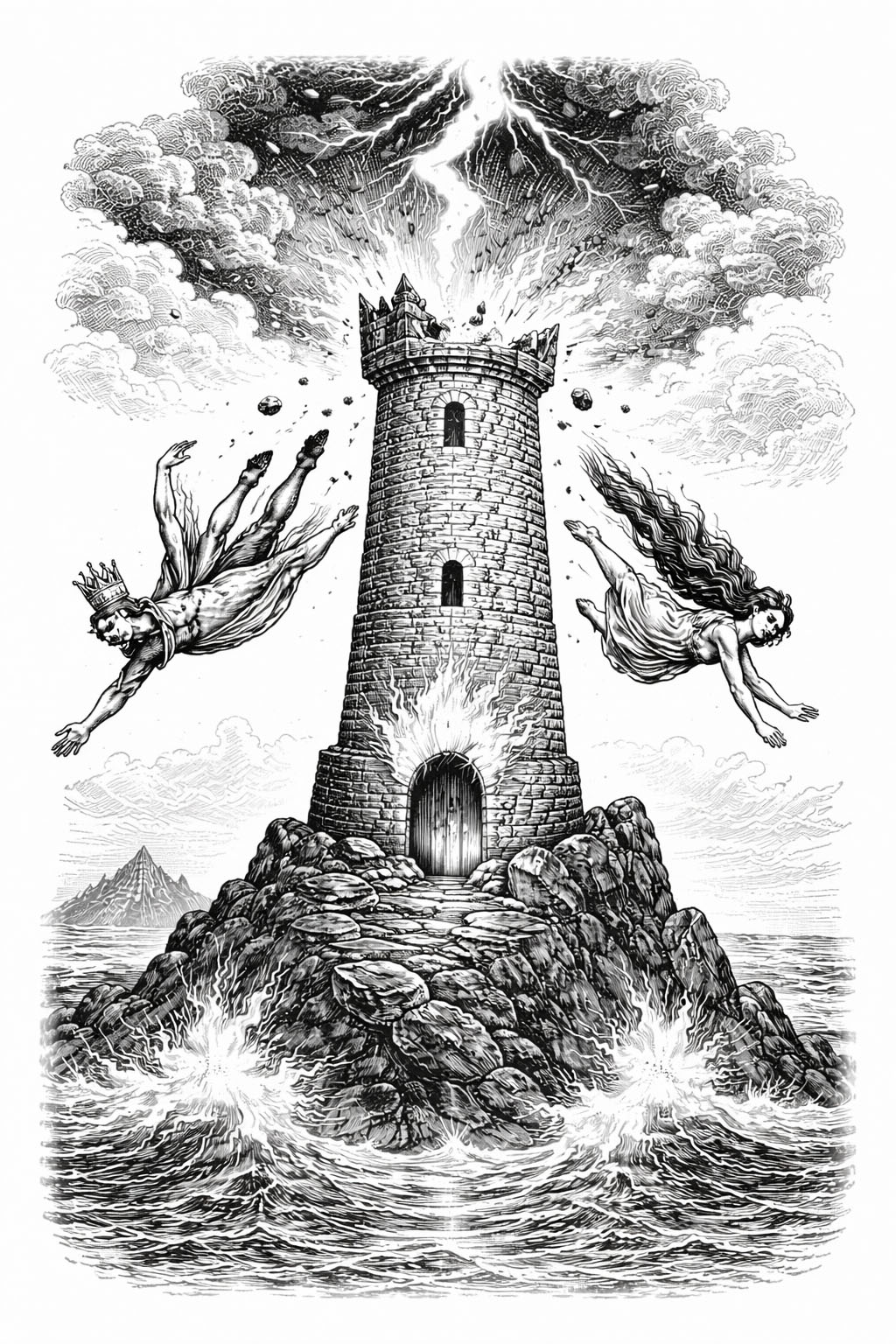
Аркан Башта в контексті любові вказує на раптові, часто болючі зрушення у стосунках або в усвідомленні власних уявлень про них. Це карта руйнування усталених структур і викриття ілюзій: те, що довго здавалось надійним, може стати під сумнівом через несподівані події, відкриття чи конфлікти. Така динаміка не обов’язково означає кінець назавжди; швидше йдеться про радикальну трансформацію бази, на якій будувалося життя двох людей.
У парних відносинах Башта часто сигналізує про момент, коли приховані проблеми, нерозв’язані образи або неправди виявляються і виводять систему стосунків у стан кризи. Це може проявлятися як раптовий розрив, конфлікт, або як необхідність переглянути ролі й межі. Для самостійних людей карта підказує, що внутрішні ілюзії про кохання, свою привабливість або надії на партнера можуть розвалитися, створюючи простір для реалістичнішого бачення і подальшого вибору.
Психологічно Башта пов’язана з очищенням через шок: такі події можуть бути травматичними, але водночас дають можливість відмовитися від шкідливих моделей і побудувати нові, ґрунтовані на правді й зрілості. У трактуванні важливо звертати увагу на контекст — наскільки проблема системна, чи є можливість реструктуризації стосунків, чи потрібне розставання для збереження психічного здоров’я.
Аналітичний підсумок: ця карта не дає оцінки добре/погано, вона описує процес руйнування старого для появи нового. Корисно розглядати її як позначення необхідної зміни та запрошення проаналізувати основи своїх стосунків, ставлення до близькості і готовність працювати з наслідками драматичних зрушень. У випадках сильного емоційного потрясіння доцільно звернутися за підтримкою до близьких або фахівця для безпечної інтеграції пережитого досвіду.
Кар'єра та посада
У контексті кар’єри карта Башта не є пророкуванням конкретної події, вона радше аналізує енергії, що стосуються раптових змін, руйнування усталених структур і необхідності переоцінки фундаментальних основ професійного життя. Ця карта вказує на ситуації, коли накопичені напруги, неузгодженості або приховані проблеми виходять на поверхню й змушують систему змінитися швидко й часто болісно. Це може відображати реструктуризацію, неочікувані звільнення, скасування проектів, викриття помилок або корупційних схем, а також раптову втрату статусу чи ресурсів.
Аналітично важливо розглядати Башту не лише як деструкцію, а як момент, що розкриває ілюзії та слабкі місця, даючи можливість побудувати щось на іншій, міцнішій основі. У професійній сфері це означає, що усталені процеси, залежності від однієї ролі або клієнта, непрозорі домовленості й відсутність планів на випадок непередбачуваних обставин можуть стати причиною різкого перелому. Водночас руйнування може бути каталізатором для перегляду пріоритетів, оновлення навичок, зміни кар’єрного напрямку або створення більш стійкої організаційної структури.
З позиції управління ризиками і розвитку кар’єри карта підкреслює важливість усвідомленої діагностики системних вразливостей і готовності до трансформаційних процесів. Це не рекомендація до паніки, а запрошення до критичного аналізу: які конструкції утримують нинішню ситуацію, що з ними станеться при зовнішньому штурсі, які практики потребують прозорості й модернізації. У довгостроковій перспективі періоди руйнування часто передують можливості для конструктивного відновлення з іншим підходом, більшою адаптивністю і прозорістю.
Значення фінансів
Карта Вежа у фінансовому контексті найчастіше символізує раптове руйнування існуючих структур, виявлення прихованих слабких місць і швидкі зрушення, які змушують переглянути попередні припущення. Це може означати крах ілюзій щодо стабільності доходів або інвестицій, несподівані витрати, юридичні чи регуляторні проблеми, які порушують звичний порядок, або швидку зміну ринкових умов. Важливо розглядати ці явища як сигнал до ретельного аудиту підстав і механізмів, що утримували систему в попередньому стані: які припущення виявилися хибними, які ризики були недооцінені, де відсутні подушки ліквідності або застраховані механізми.
Така карта не дає однозначних прогнозів, але підкреслює потребу в прозорості й готовності до перестановки пріоритетів. Корисними можуть бути кроки з документування ситуації, оперативної оцінки фінансових потоків, контактів із професійними консультантами (податківці, аудитори, юристи, фінансові радники) і створення планів на випадок найгіршого сценарію. Важливо уникати панічних рішень: швидкі емоційні дії іноді погіршують становище, тоді як системний розбір причин і поступова реорганізація дають шанс на відновлення.
Якщо розглядати відтінки значення, перевернута Вежа може підкреслювати затяжне гасіння проблем, відстрочку кризи або внутрішній опір змінам, що робить процес більш болісним і тривалим. Усі інтерпретації мають навчальний характер: карта вказує на те, де потрібно звернути увагу, які механізми перевірити та які процеси переглянути, а не на неминучість конкретних подій.
Значення сім'ї
Карта Вежа у сімейному контексті символізує руйнування усталених структур і несподівані зрушення, які підривають звичний порядок. Вона вказує на ситуації, коли старі моделі поведінки, приховані напруження або невирішені проблеми стають явними й вимагають термінового реагування; це може проявлятися у вигляді різких конфліктів, зміни життєвих обставин або відкриття інформації, що підточує довіру. Важливо розглядати карту не як кінець, а як момент очищення, коли ілюзії або хибні опори зриваються, створюючи простір для переосмислення й побудови нових, більш реалістичних основ сімейних відносин.
Аналітично, Вежа підкреслює необхідність звернути увагу на причини кризи: повторювані патерни, нерозв'язані емоційні питання, недостатні межі або накопичений стрес. Ця карта також нагадує, що руйнування може бути швидким і непередбачуваним, але саме через цей ризик виникає шанс переглянути ролі, пріоритети й способи взаємодії. У практичному сенсі це означає оцінку безпеки й ресурсів, відкритий діалог про реальні потреби й обмеження, а також підготовку до реструктуризації побутових або юридичних аспектів, якщо це необхідно.
Освітній підхід до Вежі фокусується на процесі відновлення: після кризи корисно аналізувати помилки, формувати чіткіші межі, шукати професійну підтримку (наприклад консультації сімейного психолога або юридичну допомогу) і планувати конкретні кроки для створення стабільнішої структури. Карта не дає детермінованих прогнозів, натомість вона служить сигналом до переоцінки й реорганізації сімейних відносин на більш здорових і прозорих засадах.
Психологія та розум
Карта Башта в контексті психологічного стану описує період раптового зламу внутрішніх структур — цінностей, переконань, уявлень про себе або світ, які більше не витримують реальності. Це може виражатися у відчутті шоку, дезорієнтації, втрати опори або підвищеної тривожності, коли звичні механізми захисту несподівано дають тріщину. Психологічно це часто означає, що накопичені протиріччя або придушені емоції виходять назовні, змушуючи переглядати те, що раніше сприймалося як очевидне.
Такий розпад може бути болючим і викликати тимчасове зниження впевненості, але також створює простір для усвідомлення правдивих потреб і для побудови більш гнучких, реалістичних основ. На рівні психіки це процес деконструкції і можливого переосмислення: старі стереотипи розпадаються, щоб звільнити місце для нових уявлень і здоровіших стратегій реагування. Важливо розрізняти короткочасні реакції на кризу і стійкі симптоми, що потребують професійної допомоги; у стані тривалої дезорганізації варто звертатися до психолога чи іншого фахівця.
Карта підкреслює необхідність усвідомленого опрацювання переживань: фіксація на фактах, поступове відновлення почуття безпеки, проговорення емоцій і соціальна підтримка сприяють інтеграції досвіду. Психологічний результат залежатиме від контексту й ресурсів: руйнування може залишити слід або стати початком перетворення, якщо людина отримає підтримку і час на відновлення.
Значення душі
Карта Вежі в контексті душевного стану описує ситуацію різкого розпаду внутрішніх структур і звичних уявлень про себе та світ. Переважно йдеться не про поступову зміну, а про переживання шоку, втрати опори або раптового прозріння, що підриває попередню психологічну рівновагу. Такий стан супроводжується інтенсивними емоціями — тривогою, панікою, відчуттям безпорадності або покинутості — і може порушувати здатність планувати й обробляти інформацію в звичний спосіб. У внутрішньому досвіді це часто проявляється як розшарування переконань: те, що раніше здавалося істинним і стабільним, раптово втрачає вагу або сенс.
Психологічно Вежа вказує на необхідність перегляду фундаментальних уявлень і на ризик импульсивних реакцій під впливом сильного стресу. Хоча переживання можуть бути болісними, вони також відкривають простір для очищення від старих схем і для поступової побудови нової, більш реалістичної самоідентичності. Важливо звертати увагу на тілесні сигнали, шукати безпечні способи заземлення і ресурси підтримки під час гострого періоду, а також поступово інтегрувати досвід, аналізувати його і знаходити нові смисли замість негайного заперечення або придушення. З емоційно-аналітичної точки зору Вежа не є лише катастрофою; це процес руйнування старих конструкцій, який, за умови усвідомленої роботи, може стати початком глибшої і більш достовірної внутрішньої реорганізації.