Контекст
Кохання та романтика
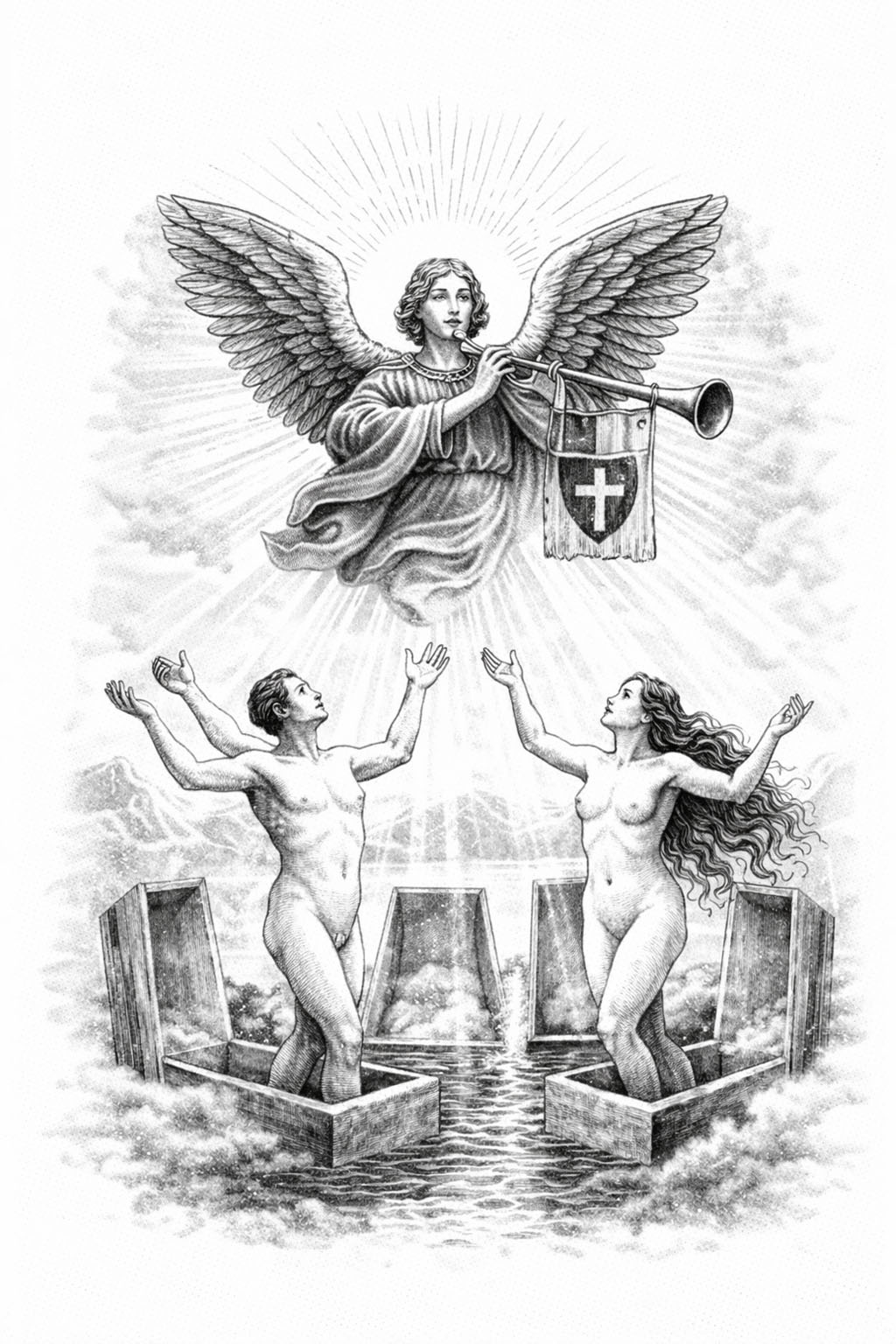
Карта Суд у контексті любові вказує на етап підсумків, переосмислення і можливого переродження стосунків. Вона звертає увагу на необхідність чесної оцінки минулого: що працювало, які помилки були допущені і які наслідки це мало для обох партнерів. Символіка карти пов’язана з пробудженням совісті, формуванням нової відповідальності та закликом до відкритої розмови, а не з фатальною долею чи випадковістю.
У практичному плані карта радить зосередитися на прозорій комунікації, готовності брати на себе відповідальність за вчинки і вміти прощати або просити прощення, якщо це необхідно для руху далі. Вона також може означати, що настає момент вибору: відновити стосунки на нових засадах із зрілістю й усвідомленістю або свідомо закрити цикл, щоб дати місце для нового. Суд підкреслює важливість внутрішньої чесності — з собою та з партнером — як умови для якісних змін.
Карта не дає автоматичних вироків, вона освіщає процес, у якому результат залежить від свідомих дій обох сторін. Для особистісного зростання корисно розглядати цю карту як сигнал до аналізу власних мотивів і поведінки, а також як нагадування, що трансформація вимагає як прозорості, так і відповідальності.
Кар'єра та посада
Карта Суд у кар’єрному контексті відображає тему переоцінки, підбиття підсумків і відповідальності за професійний шлях. Вона сигналізує про період, коли попередні рішення та дії стають предметом аналізу — як зовнішнього (атестації, перевірки, зворотного зв’язку від колег і керівництва), так і внутрішнього (переосмислення цілей, мотивації та професійних стандартів). Ця карта підкреслює необхідність чесної самооцінки та інтеграції накопиченого досвіду для ухвалення зрілих рішень щодо подальших кроків.
У практичному плані Суд часто вказує на моменти закриття однієї стадії і початку наступної: завершення проєкту, зміна ролі, публічне визнання або критична оцінка результатів роботи. Важливі аспекти — уважне ставлення до зворотного зв’язку, документування досягнень і помилок, готовність брати відповідальність за наслідки та коригувати курс за потреби. Для тих, хто розглядає зміну професії або підвищення кваліфікації, карта радить підходити до вибору усвідомлено, базуючись на реальній оцінці навичок і цінностей, а не на імпульсі. Загалом це карта процесу професійної ревізії і трансформації, спрямованої на більш відповідальне і узгоджене з внутрішніми пріоритетами працювання.
Значення фінансів
Карта «Суд» у фінансовому контексті позначає процес оцінки, підведення підсумків і можливу реструктуризацію фінансів після тривалішого періоду дій чи невизначеності. Вона не дає гарантій, а описує стан, у якому відбувається ревізія минулих рішень, з'ясовуються наслідки і формується чітка картина того, що потрібно змінити або зберегти. Це час для об'єктивного аналізу: перегляду витрат, перевірки рахунків, врегулювання заборгованостей, підготовки до податкових перевірок або корекції інвестиційної стратегії.
У практичному ключі карта вказує на необхідність відповідальності і прозорості: документальні підтвердження, аудит або консультація зі спеціалістом можуть виявитися корисними для з'ясування фактичного стану. Також вона підкреслює важливість уроків із попередніх фінансових помилок і впровадження систем, які запобігають їх повторенню — наприклад, резервний фонд, чіткі критерії прийняття рішень та регулярні перегляди бюджету.
Емоційно карта сигналізує про можливість «оновлення» ставлення до грошей: усвідомлення пріоритетів, переоцінка ризиків і співвідношення короткострокових вигод з довгостроковими цілями. Увага до юридичних і етичних аспектів фінансових кроків також надає карті значення: прозорість і відповідальність знижують ризики у майбутньому. Загалом, «Суд» у фінансах означає момент підсумків і корекцій, коли ретельна робота з фактами і планування допомагають сформувати більш стабільну фінансову позицію.
Значення сім'ї
Карта «Суд» у сімейному контексті акцентує увагу на оцінці минулого, усвідомленні наслідків і можливості трансформації відносин. Вона позначає момент, коли питання відповідальності, вчинків і невирішених образ виходять на поверхню для переосмислення. Це не пророкування, а сигнал про потребу чесного аналізу: хто за що відповідав, які повторювані моделі поведінки формують динаміку, які старі обов'язки більше не відповідають реаліям.
У практичному вимірі карта підкреслює важливість відкритого діалогу, роз’яснення мотивів і прийняття наслідків; іноді це означає вибачення й примирення, іноді — корективи в ролях і межах. «Суд» також вказує на процес звільнення від колективних образ і легенд про родину, що дозволяє рухатися до справедливішого розподілу обов’язків і чеснішого ставлення одне до одного. Можлива потреба в зовнішній допомозі — медіації, сімейній терапії або нейтральній оцінці ситуації — щоб зробити цей процес конструктивним.
При тлумаченні важливо зосередитися на навчальному аспекті: які уроки дає минулий досвід, як вони можуть змінити теперішні рішення і які практичні кроки сприятимуть відновленню довіри та цілісності сім’ї.
Психологія та розум
Карта Судження в контексті психологічного стану вказує на період інтенсивного самоаналізу і переоцінки минулого досвіду. Це образ внутрішнього пробудження, коли накопичене стає предметом усвідомлення: помилки, вибори, відношення й наслідки ретельно переглядаються з нової перспективи. Такий стан часто супроводжується прагненням дати собі звіт, завершити незавершені справи й інтегрувати пережиті події у ціліснішу історію власного життя.
Психологічно карта підкреслює процес прийняття відповідальності за минулі дії й наслідки, що може вести до звільнення від почуття провини або, навпаки, до посиленої самокритики. Важливим є диференціація між конструктивним осмисленням і самосудом: перше сприяє навчальній трансформації й відновленню, друге — зацикленості й емоційному виснаженню. Судження також пов’язане з переживаннями мученницької совісті або з потребою знайти примирення — з собою або з іншими — як частину процесу зцілення.
У терапевтичному чи освітньому контексті карта сигналізує про можливість реконструкції переконань, оновлення моральних орієнтирів і перегляду життєвих цілей на ґрунті здобутого досвіду. Вона вказує на момент, коли важливо уважно розпізнавати мотиви й патерни поведінки, щоб інтегрувати уроки й сформувати більш адаптивні способи реагування на події, не втрачаючи здатності до співчуття до себе й інших.
Значення душі
Карта «Суд» (Judgement) у контексті душевного стану описує процес внутрішнього підведення підсумків, усвідомлення і морального або екзистенційного переродження. Вона вказує на моменти, коли людина оглядає своє життя з відстані, зіставляє вчинки й вибори з власними цінностями і робить висновки, які можуть призвести до зміни ставлення до себе й інших. Психологічно це може проявлятися як підвищена рефлексія, критичне осмислення минулого, пошук виправдання або прагнення до примирення.
У конструктивному варіанті «Суд» означає прозорість і готовність брати відповідальність, приймати уроки та відпускати те, що більше не служить розвитку. Це стан очищення від старих образів і звичок, відкриття до нових можливостей і цілісності. Водночас карта має й тіньові аспекти: надмірне самосудження, постійне перебирання помилок, залежність від зовнішньої оцінки або нав’язливе прагнення до виправдання перед собою і оточенням. Такий внутрішній клімат може паралізувати рішення або провокувати моральну тривогу.
Аналітично сприймати цю карту означає розглядати її як індикатор активної внутрішньої роботи: необхідності чіткого усвідомлення мотивів, відновлення ціннісних орієнтирів і інтеграції пережитого досвіду. Корисними можуть бути практики усвідомленого огляду життя, робота з почуттям провини чи сорому в терапевтичному форматі, а також символічні ритуали завершення, що допомагають відокремити минуле від подальших кроків. У підсумку «Суд» демонструє не кінець, а можливість оновлення через чесну оцінку і включення отриманих уроків у подальше життя.