Контекст
Кохання та романтика
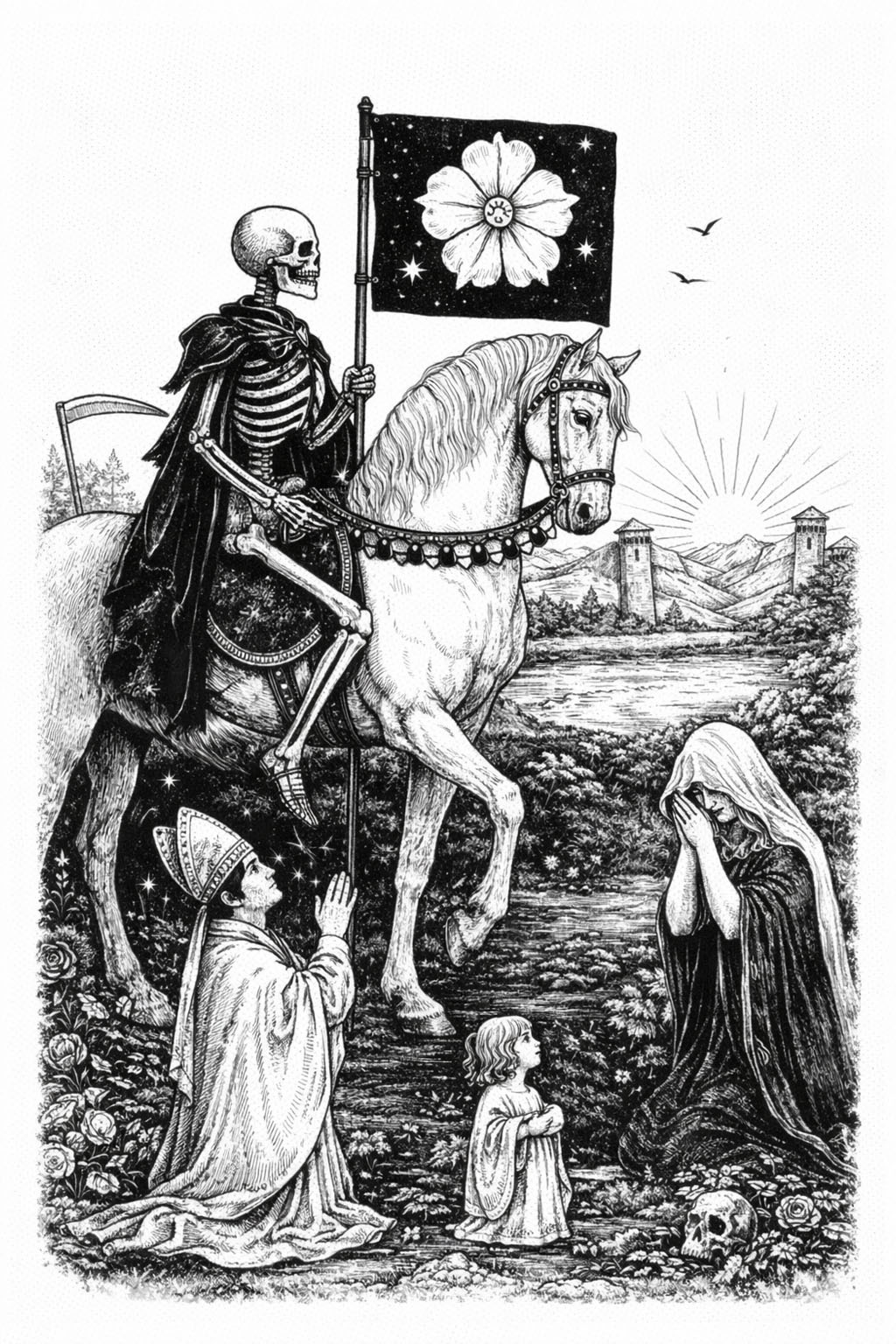
Карта Смерть у контексті любовних стосунків символізує процес завершення і трансформації, а не буквальну кончину. Вона вказує на те, що певні аспекти взаємин чи ролі, які партнери відігравали один для одного, віджили себе і потребують переосмислення або відпускання. Це може проявлятися як розрив знайомих схем поведінки, руйнування ілюзій, припинення стосунків або радикальна зміна їхньої структури — залежно від ситуації обох людей.
Психологічно карта часто показує необхідність пережити етапи прощання й скорботи за втраченими очікуваннями, щоб звільнити місце для нового. У любовному житті це може стосуватися як зовнішніх подій (закінчення стосунків, розлучення), так і внутрішніх трансформацій (зміна цінностей, відмова від токсичних ролей, переосмислення прив’язаностей). Важливо розуміти, що такі зміни мають процесний характер і часто супроводжуються дискомфортом перед тим, як принесуть конструктивні результати.
У навчально-аналітичному ключі карта радить звертати увагу на те, що саме потребує завершення і які кроки ведуть до відновлення рівноваги. Корисно розглянути емоційні межі, об’єктивно оцінити, чи стосунки дають простір для зростання, і дозволити собі пройти період адаптації. Сигнал Смерті не є вироком, а зверненням до готовності змінитися або відпустити, щоб підготувати основу для нового етапу у відносинах або власному житті.
Кар'єра та посада
Карта Смерть у кар'єрі символічно вказує на завершення певного етапу і необхідність трансформації, а не буквальну загрозу життя. У професійному контексті це може означати кінець ролі, проєкту, відносин на роботі або структурну переформатизацію, яка створює простір для іншого способу роботи або нових можливостей. Часто така карта підкреслює, що старі підходи, звички або посади більше не сприяють росту й потребують позбавлення; цей процес може бути добровільним або викликаним зовнішніми обставинами, наприклад реструктуризацією чи скороченням. Емоційно це може супроводжуватися втратою і сумом, і важливо робити місце для переживання змін, одночасно оцінюючи, що саме варто зберегти і які навички оновити. З практичної точки зору карта підкреслює цінність усвідомленого переходу: перегляд професійних цілей, аналіз компетенцій, підготовка до перекваліфікації або пошуку нових напрямків, зміцнення фінансової подушки та мережі контактів. Як символ трансформації, Смерть нагадує про циклічність розвитку в кар'єрі — завершення часто передує початку чогось нового, але результат залежить від контексту й усвідомлених дій людини, її готовності адаптуватися й робити вибір на користь змін.
Значення фінансів
Карта Смерть у фінансовому контексті не означає буквальної катастрофи, а символізує завершення старої фінансової парадигми і трансформацію умов. Вона вказує на потребу розірвання застарілих зобовʼязань, перегляду витратних моделей або реструктуризації активів, щоб звільнити простір для нового порядку. Це може проявлятися як ліквідація неприбуткових проєктів, закриття рахунків, зміна джерел доходу або необхідність списання частини інвестицій; ключове тут не сенс втрати, а процес очищення для майбутніх змін. Психологічно карта підкреслює, що емоційна готовність до відпускання старого часто визначає, наскільки конструктивно пройде перехід: опір може ускладнити адаптацію, а усвідомлений підхід допоможе знайти нові можливості.
Аналітично, отримання такої карти радить переглянути структуру бюджету і портфеля, оцінити зобовʼязання та ризики, а також підготуватися до юридичних чи податкових наслідків можливих змін. Рекомендується зібрати релевантні документи, провести ревізію активів і пасивів і, за потреби, звернутися до фінансового консультанта для розробки плану переходу. Важливо розглядати завершення як частину циклу, де коректно проведене закриття справ і корекція стратегії відкривають шлях до стабілізації й оновлення фінансів.
Значення сім'ї
Карта Смерть у таро рідко варто сприймати буквально; вона позначає завершення циклу й трансформацію. У сімейному контексті це означає, що існуючі ролі, правила чи моделі взаємодії досягають кінця або потребують радикального переосмислення. Таке завершення може бути повʼязане з реальними подіями — розлученням, переїздом, зміною опіки над родичем, смертю когось із членів сімʼї — або з менш очевидними зрушеннями: припиненням токсичних патернів, відмовою від давно усталених очікувань чи зміною сімейних кордонів.
Особливість цього аркана — не просто кінець, а створення місця для нового. Процес трансформації часто супроводжується смутком, опором і необхідністю відпускання; в роботі з сімʼєю це може означати потребу в відкритому спілкуванні, юридичному чи фінансовому впорядкуванні справ, психотерапевтичній підтримці або в ритуалах прощання, які допомагають завершити старе. З іншого боку, карта підкреслює потенціал для оновлення: коли старі структури звільняються, виникає можливість побудувати більш здорові способи взаємодії, переглянути ролі й обовʼязки, відновити довіру.
Аналітично важливо розглядати, що саме вимагає завершення, які емоційні й практичні наслідки це матиме для різних учасників сімʼї і які ресурси доступні для супроводу переходу. Утримання від поспішних рішень, планування наступних кроків, залучення фахівців і визнання процесу горювання допомагають перетворити кінець на свідому можливість для реструктуризації сімейного життя.
Психологія та розум
Карта Смерть у контексті психологічного стану позначає процеси завершення і трансформації всередині психіки, а не буквальну загибель. Вона показує, що певні думки, моделі поведінки, ролі або ідентичності вичерпали свою корисність і потребують розпаду, щоб звільнити місце для нового. Психологічно це може проявлятися як переживання втрат, скорбота, гіркота, але також як поступове відпускання старих звичок, переосмислення цінностей і формування нових внутрішніх структур.
Карта підкреслює, що трансформація часто супроводжується опором і болем: страх змін, заперечення або намагання утримати те, що вже не працює, можуть викликати заціпеніння або депресивні стани. Водночас вона вказує на потенціал оновлення — очищення від зайвого, переорієнтація пріоритетів і реорганізація особистісних меж. У психологічній роботі це може означати роботу з переживанням втрат, дозвіл на скорботу, поступове відпускання старих наративів і створення нових підходів до себе й життя.
Корисними підходами при активації цієї теми є усвідомлення процесу змін, робота з емоціями, розвиток здатності до прийняття невизначеності та поступові експерименти з новими способами поведінки. Якщо процес стає надто інтенсивним або призводить до стійкого погіршення самопочуття, може бути доречним звернення до психолога чи іншого фахівця для підтримки й безпечної інтеграції змін.
Значення душі
Карта «Смерть» у контексті душевного стану позначає не буквальну загибель, а якісний перелом у внутрішньому житті — завершення певного емоційного циклу і початок трансформації. Це символ очищення від застарілих установок, ролей або стосунків, які більше не відповідають поточному рівню розвитку. На рівні психіки вона вказує на процес руйнування старих структур, необхідних для створення простору для нового.
Емоційно це може проявлятися як відчуття втрати або порожнечі, підсилене страхом невідомого, але водночас як полегшення від реалізації кінця чогось виснажливого. Іноді супроводжується сумом, скорботою або навіть заціпенінням — природною реакцією на необхідність відпустити. Паралельно може з’являтися внутрішнє розуміння необхідності змін, пробудження інтересу до переосмислення власної ідентичності і життєвих пріоритетів.
Аналітичний погляд на такий стан підкреслює, що це процес, який має часові етапи: розпізнавання потреби в зміні, переживання втрати, поступове відпускання і реконструкція нових смислів. Корисно спостерігати власні реакції без драматизації, дозволяти переживанням проходити й шукати конструктивні способи їх осмислення — наприклад через рефлексію, творчість або символічні ритуали прощання з тим, що віджило. Опір перехіду часто подовжує напругу, тоді як усвідомлена робота з процесом сприяє формуванню більш стійкої та автентичної внутрішньої позиції.