Контекст
Кохання та романтика
Трійка Кубків у сфері стосунків підкреслює тему соціальної радості, підтримки й спільного відзначення важливих моментів. Карта часто говорить про те, що емоційний зв’язок підсилюється через друзів, родичів або ширше коло підтримки — стосунки відчуваються як частина живої, творчої спільноти. У парі це може означати періоди взаємного натхнення, спільні свята, творчі проєкти або відчуття легкості й задоволення від перебування разом. Водночас Трійка Кубків нагадує про цінність емоційної щирості: радощі, подяка й відкриті прояви підтримки роблять зв’язок більш стійким.
Аналітично, карта також вказує на динаміку групового впливу: рішення та емоційні реакції можуть формуватися під впливом друзів або суспільних очікувань. Це не завжди позитивно — можливі ризики поверховості, надмірного задоволення, схильності до соціального порівняння або нехтування інтимною, приватною стороною стосунків. Тому корисно розглядати, наскільки радість і підтримка від інших підкріплені глибиною індивідуальних розмов і взаємних зусиль між партнерами.
При інтерпретації звертайте увагу на контекст: чи йдеться про зародження дружби, про посилення партнерства через коло друзів, чи про потребу збалансувати суспільне життя з приватною близькістю. Питання для роздуму: якою мірою ваші емоції залежать від схвалення інших, і як можна зберегти справжність стосунків, не втрачаючи радості від спільних свят та підтримки?
Кар'єра та посада
Три чаші у професійному контексті символізують енергію спільності, колективні досягнення та підвищення морального духу в команді. Як архетип, карта підкреслює значення співпраці, мережевих зв’язків і взаємної підтримки: успіхи частіше досягаються внаслідок злагодженої роботи кількох людей, взаємного визнання і святкування проміжних результатів.
Аналітично це може означати сприятливу атмосферу для командних проєктів, плодотворну співпрацю між відділами, зростання довіри серед колег і підвищення видимості результатів праці завдяки колективним зусиллям. Карта також нагадує про соціальний капітал: відносини й репутація в професійному середовищі можуть відкривати нові можливості та прискорювати реалізацію завдань.
Водночас важливо тримати баланс: надмірне покладання на неформальні зв’язки, груповий конформізм або надмірне святкування проміжних успіхів може прикривати недоліки в плануванні або нерівномірний розподіл внеску. Тому корисно поєднувати колективний ентузіазм із чіткими ролями, прозорою документацією результатів і стратегією подальших кроків.
Практично це означає спрямовувати енергію команди на конкретні цілі: фіксувати досягнення, відзначати внесок кожного учасника, встановлювати регулярні моменти для обговорення прогресу й корекції планів, а також використовувати мережеві контакти свідомо — для співпраці, обміну ресурсами та підсилення довготривалих професійних зв’язків.
Значення фінансів
Трійка Кубків у фінансовому контексті аналітично вказує на тему спільності ресурсів, взаємної підтримки та соціальних зв’язків, що впливають на гроші. Карта часто відображає ситуації, де доходи або витрати пов’язані з груповими проектами, колективними інвестиціями, громадами, дружніми позиками або святкуваннями успіху, які супроводжуються фінансовими наслідками. Акцент робиться на обміні, розподілі та емоційній складовій фінансових відносин — радість від спільного досягнення, але також ризик імпульсивних витрат під впливом соціального тиску.
Аналітично це означає, що джерело фінансового позитиву може походити від налагоджених зв’язків і співпраці: партнерські проєкти, колективні ініціативи або мережеві можливості. Водночас карточка підказує перевіряти структури співпраці — хто і як ділить прибуток, які формальні домовленості існують, як розподіляються витрати. Без чітких правил ентузіазм групи може призвести до нерівного розподілу, непередбачених витрат або емоційних рішень щодо грошей.
Для практичного аналізу корисно звернути увагу на прозорість фінансів у спільних проєктах, юридичне оформлення домовленостей, податкові наслідки та механізми контролю витрат. Оцінюйте, наскільки емоційний фактор впливає на витрати у вашому колі, і чи є сенс фіксувати домовленості письмово або створити бюджет для спільних заходів. Трійка Кубків у фінансах радше акцентує на потенціалі співпраці та важливості відповідального управління спільними ресурсами, ніж на одномоментних результатах.
Значення сім'ї
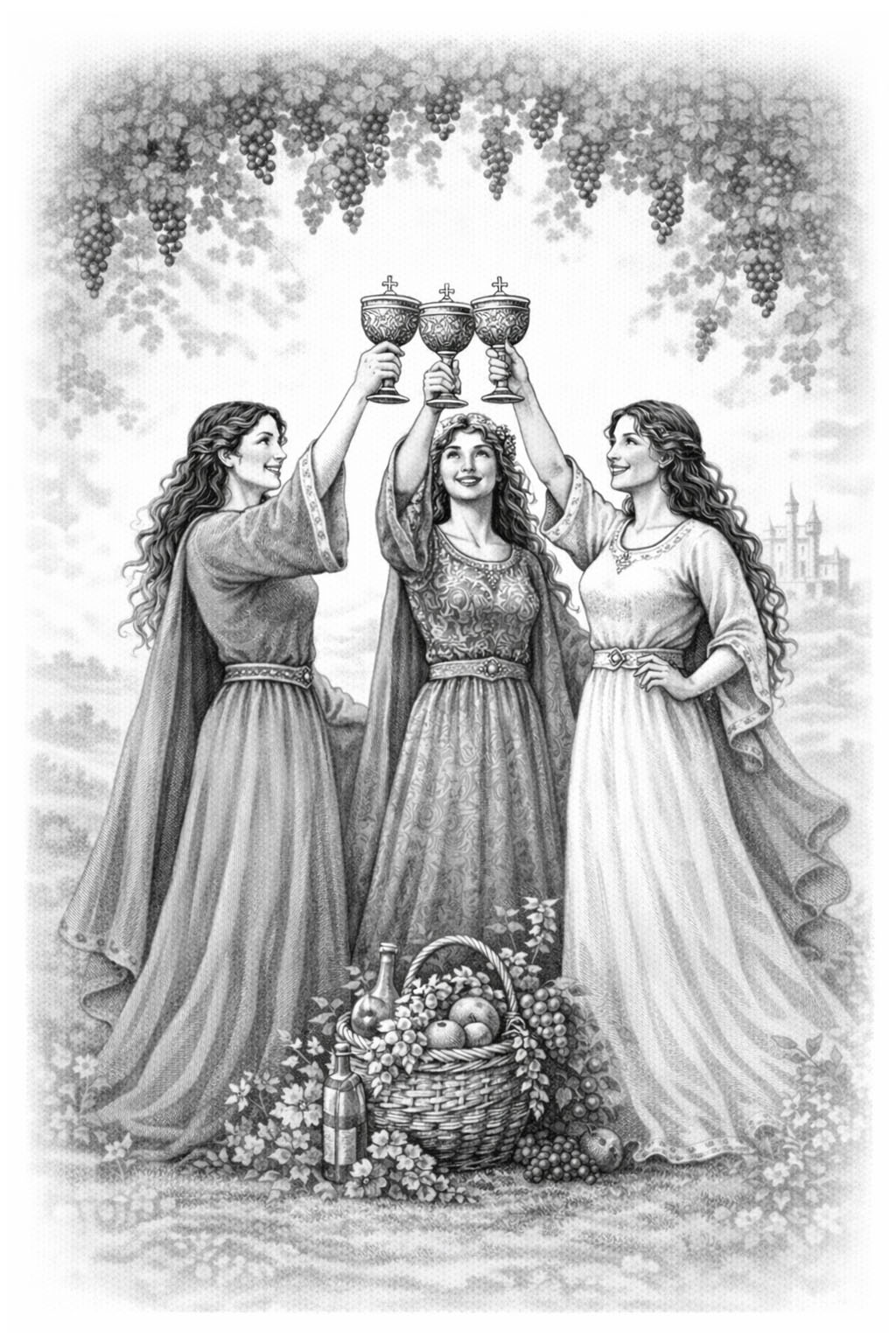
Трійка Кубків у сімейному контексті найчастіше говорить про колективні емоції, спільні радощі та підтримку між членами родини. Символічно це карта обміну почуттями: три піднятi чаші, потік води й колективний танець підкреслюють взаємну радість, святковість і відчуття єдності. У читанні вона може відображати періоди об’єднання — збори родини, святкування важливих подій, взаємодопомогу у побуті або творчі ініціативи, які виникають із взаємного натхнення.
Аналітично важливо також розглядати тіньові аспекти цієї карти. Енергія групи іноді маскує індивідуальні потреби; прагнення збереження гармонії може призводити до уникнення серйозних конфліктів або до надмірного покладання на групу задля самоідентифікації. Можливі явища клановості, пліток або надмірного споживання під час спільних зібрань — все це варто враховувати при інтерпретації.
З практичної точки зору Трійка Кубків радить звернути увагу на те, як родина організовує спільний час і емоційний простір: які ритуали чи традиції зміцнюють зв’язок, наскільки кожен має можливість висловити свої потреби, чи є баланс між святкуванням і вирішенням нагальних питань. У роботі з цією картою корисно аналізувати якість підтримки, розподіл відповідальностей і ступінь інклюзивності родинних відносин, а не лише їхню поверхневу приємність.
Психологія та розум
Трійка Кубків у контексті психологічного стану відображає емоційну атмосферу, пов’язану з відчуттям спільності, підтримки та радості від міжособистісних зв’язків. Переважає внутрішній тон піднесення, відкритості до інших і готовності ділитися почуттями; людина може відчувати полегшення після періоду ізоляції або емоційного навантаження, збільшену соціальну енергію і схильність до співпраці та творчого взаємодіяння в групі. Психологічно це стан, в якому зростає почуття належності, підвищується самооцінка через визнання з боку оточення, і емоції стають легшими, святковими.
Водночас Трійка Кубків також відображає ризики феномену залежності від соціального схвалення, уникнення внутрішньої роботи через зовнішні розради і тенденцію до поверхневого емоційного обміну. Під маскою веселощів може приховуватися небажання стикатися з глибинними переживаннями або незавершеними конфліктами. Іноді цей стан супроводжується надмірним потягом до розваг чи вживання в якості способу емоційного розвантаження.
З аналітичної точки зору корисно усвідомити, які емоційні потреби задовольняються через спільноту і де проходить межа між здоровою взаємною підтримкою та втратою автономії. Розрізнення між автентичною радості і її компенсаторними формами допомагає інтегрувати позитивний досвід спільності без заперечення внутрішніх процесів. Робота над балансом між відкритістю до інших і збереженням особистих кордонів може підсилити стійкість почуттів і зробити соціальну підтримку більш ресурсною та трансформуючою.
Значення душі
Трійка Кубків у позиції «душевне становище» описує емоційний простір, в якому переважає відчуття спільності, радості й полегшення. Це образ колективної підтримки, святкового настрою та взаємного обміну почуттями — коли емоції легші, відкриті, спрямовані назовні, і взаємодія з іншими приносить відновлення та натхнення. У цьому стані підвищується здатність до емпатії й творчої співпраці; емоційні ресурси поповнюються через зустрічі, свята або близькі стосунки.
Водночас картка не гарантує глибини переживань: іноді підйом настрою має тимчасовий чи поверхневий характер і може слугувати способом ухилення від складніших внутрішніх питань. Трійка Кубків також підкреслює ризик емоційної залежності від оцінки групи або надмірного фокусування на зовнішньому святі замість особистого розуміння потреб. Корисно аналітично розглянути, чи джерело радості автентичне і чи зберігаються особисті межі, або ж слід звернути увагу на незавершені емоційні теми, які маскуються за святковою поверхнею.