Контекст
Кохання та романтика
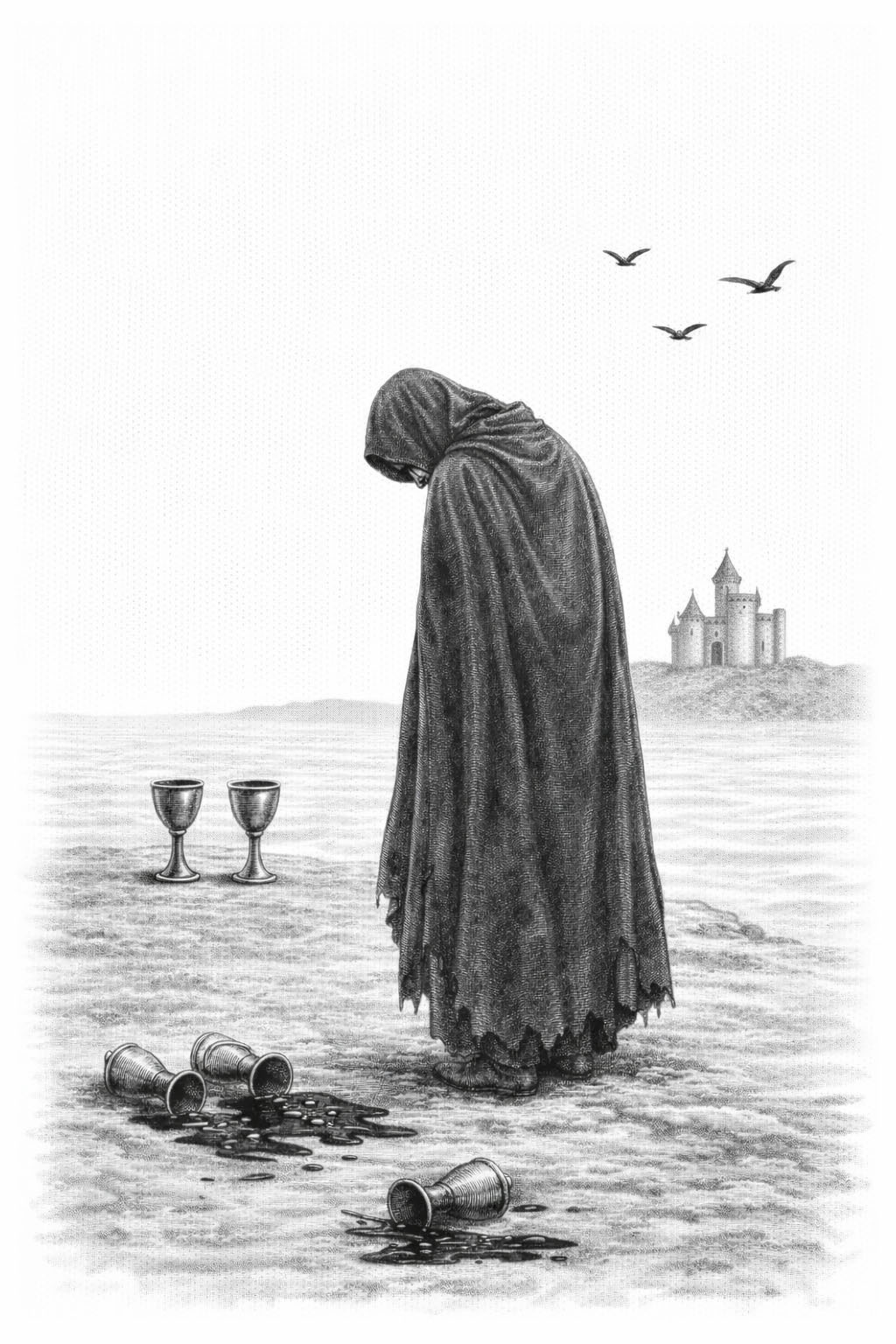
П'ятірка Кубків у позиції, що стосується кохання, традиційно пов'язана з емоційним болем, жалем і фокусом на втраті. Образ людини, яка дивиться на перевернуті кубки, тоді як позаду залишаються два повних, служить ілюстрацією механізму: увага зосереджена на поразках і розчаруваннях, через що втрачається здатність помічати те, що ще є. У стосунках це може означати переживання розриву, примирення з тим, що вже сталося, або тривале зациклювання на минулих образах, яке перешкоджає руху далі.
Аналітично це картка про етап емоційної обробки: сум, жалоба, переоцінка очікувань і місця партнера у житті. Вона вказує на необхідність визнати реальні почуття, а не ігнорувати їх або перекручувати реальність через самообман. Водночас карта нагадує про наявність ресурсів і можливостей, які залишилися позаду — друга чашка символізує те, що ще можна зберегти або відновити, якщо почати бачити повну картину.
У психологічному ключі П'ятірка Кубків описує схильність до румінацій, емоційного відсторонення або звуження перспективи після розчарування. У навчальному сенсі вона заохочує розглянути, чого навчили стосунки, які цінності виявилися важливими, і як працювати з почуттям втрати, щоб відновити здатність до близькості — чи то у самому союзі, чи то в майбутніх зв'язках.
Кар'єра та посада
П'ятірка Кубків у професійному контексті вказує на ситуацію, де фокус на втратах і розчаруваннях переважає над оцінкою того, що ще доступне. Образ розлитих кубків відображає емоційну реакцію на невдалий проєкт, промахи в комунікації або втрачені можливості; ці події можуть виглядати більш значущими, ніж вони є насправді, через суб'єктивне сприйняття і відчуття жалю. Водночас два стоячі кубки нагадують про наявні ресурси, незавершенні зв'язки або поточні варіанти, які легко пропустити, якщо залишатися в стані жалоби чи самозвинувачення.
Аналітичний підхід полягає в усвідомленні емоційного впливу на професійну оцінку ситуації і в конструктивному переосмисленні подій: провести ретроспективу, зібрати факти, визначити, що можна відновити або змінити, і вивчити уроки для майбутнього планування. Важливо відрізняти тимчасове розчарування від системних проблем, оцінити залишкові ресурси (відносини, знання, технології) і розглянути варіанти перерозподілу зусиль. П'ятірка також натякає на роль емоційного інтелекту в роботі: усвідомлення власного горя або фрустрації допомагає уникнути повторення помилок і сприяє побудові стійкіших процесів, комунікацій і стратегій кар'єрного розвитку.
Значення фінансів
П'ятірка Кубків у фінансовому контексті відображає ситуацію, пов'язану з емоційним сприйняттям матеріальних втрат або розчарувань. Карта часто вказує на фокусування на тому, що пішло, а не на тому, що залишилося: увага концентрується на помилках, невдалих рішеннях або непередбачених витратах, і цим може приглушуватися здатність бачити наявні ресурси й альтернативи. Водночас вона підкреслює, що емоційна реакція впливає на фінансові рішення — жалоба, сором чи розгубленість здатні породжувати імпульсивні вчинки або блокувати реалістичну оцінку становища.
Аналітично це сигнал переглянути ситуацію з дистанції: уточнити обсяг фактичних втрат, зафіксувати те, що можна відновити, і зважити варіанти компенсації чи реструктуризації. Корисно виявити емоційні упередження, які заважають адекватно оцінити ризики та можливості, і розглянути консультацію фахівців або документальний аналіз витрат і зобов’язань. У символічному плані карта нагадує про те, що навіть після розчарувань часто залишаються ресурси або шляхи для відновлення — важливіше вчасно помітити їх і діяти на основі реалістичної оцінки, а не лише емоційного реагування.
Значення сім'ї
П'ятірка Кубків у контексті сім'ї акцентує увагу на емоційному відгуку на втрати, розчарування або порушені очікування в сімейних відносинах. У зображенні карти часто присутній образ людини, яка фокусується на пролитих кубках, не помічаючи повних позаду — це символ селективного сприйняття, коли печаль або провина затемнюють здатність бачити ресурси й можливості для відновлення. Аналітично така карта вказує на періоди суму, незадоволення або відчуття промаху після конфлікту, розриву близькості або накопичених образ, а також на ризик фіксації на минулому замість пошуку конструктивних рішень.
У сімейних ситуаціях П'ятірка Кубків часто сигналізує потребу в усвідомленні та проговоренні переживань: без визнання втрат і емоційних реакцій неможливо рухатися далі. Вона підкреслює важливість прийняття відповідальності за власну поведінку, роботи з жалем і скрушенням, а також розгляду того, що ще можна зберегти або відбудувати. Карта не дає однозначного вердикту про результат подій; радше вона висвітлює внутрішню динаміку, яка може ускладнювати комунікацію, підживлювати дипломатичні незручності або затримувати процес зцілення.
З практичного освітнього погляду П'ятірка Кубків корисна як маркер уваги до емоційного клімату в сім'ї: вона стимулює до рефлексії над тим, які очікування були важливими, які втрати дійсно мають місце і що ще залишається цінним. У контексті відновлення зв'язків карта вказує на необхідність чесного обміну почуттями, терпіння в процесі примирення та готовності переосмислити минулі помилки задля покращення взаєморозуміння.
Психологія та розум
П’ятірка Кубків у контексті психологічного стану описує переживання, зосереджені на втраті, сожалінні та емоційному розчаруванні. Це картинка уваги, яка звужена на те, що пішло або не виправдало очікувань: виникає схильність до рефлексії над минулим, повторного переживання ситуацій і фокусування на негативних аспектах. Психологічно це може проявлятися як сум, почуття провини або сорому, зниження мотивації, уникнення соціальної взаємодії та румінативні думки, що перешкоджають адаптації.
Аналітично ця картка вказує на когнітивні та емоційні механізми — вибіркова увага до втрат, когнітивні упередження на підтвердження негативу, труднощі з регуляцією емоцій і побудовою нових смислів. Водночас вона сигналізує про наявність невикористаних ресурсів і можливість переосмислення: навіть у стані фокусу на втратах присутні елементи, що можуть стати опорою для відновлення, якщо їх помітити та інтегрувати в нову картину подій.
З психологічної перспективи корисно розглядати цей стан як процес горювання або корекції очікувань, що вимагає часу і уваги до емоцій. Аналітичний підхід включає роботу з усвідомленням переживань, дослідженням мисленнєвих паттернів і поступовим пошуком способів відновлення перспективи, не применшуючи важливості пережитого. П’ятірка Кубків описує не остаточну діагнозу, а стан, у якому людина перебуває під впливом смутку, із потенціалом для поступового переосмислення і відновлення.
Значення душі
П'ятірка Кубків у позиції «душевне становище» описує стан, в якому увага переважно сфокусована на втраті, жалю й розчаруванні. Символічні образи карти — перевернуті або розлиті кубки, постать, що відвернулась — підкреслюють схильність до зациклення на тому, що пішло, і неможливість помічати доступні ресурси або підтримку. Емоції можуть відчуватися пригніченими, гіркими або просякнутими жалем; можливі відчуття розбитості, провини або самозвинувачення, які ускладнюють прохід крізь переживання.
П'ятірка Кубків також вказує на потребу процесу проживання втрати: іноді природна реакція — скорбота й відстороненість — є необхідним етапом переробки події. Водночас карта показує ризик надовго застрягти в минулому, драматизувати ситуацію або ігнорувати те, що ще можна відновити. Психологічно це може проявлятися як румінація, зниження мотивації, емоційне вимкнення або уникнення соціальних контактів.
Аналізуючи внутрішній стан через призму цієї карти, корисно розрізняти сам факт переживання втрати і способи його обробки: усвідомлення та прийняття болю є частиною адаптації, тоді як тривале зациклення підриває ресурсність. П'ятірка Кубків наголошує на важливості виявлення того, що втрачене, і того, що ще залишається доступним, але не дає готових рішень; вона служить як діагностичний образ психоемоційного стану, який варто дослідити уважно й з терпінням.